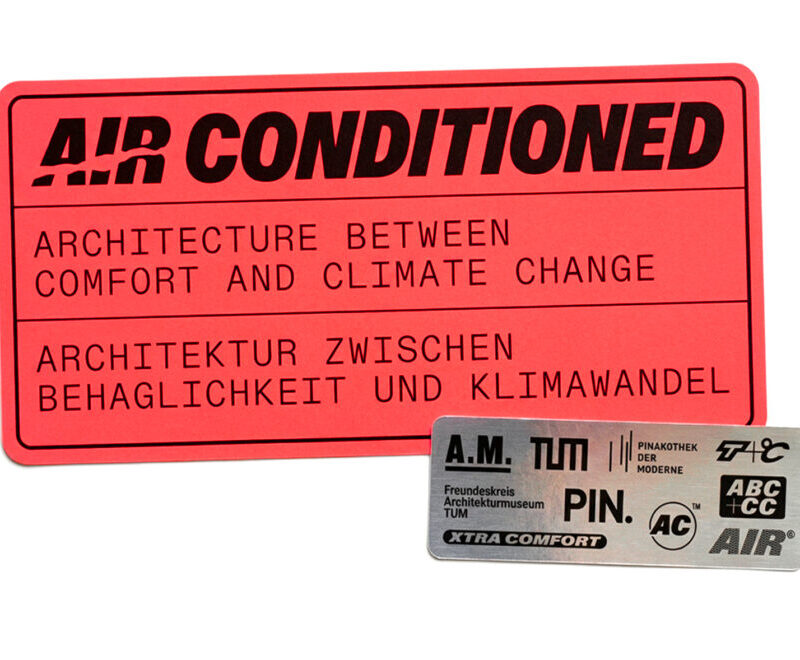
AIR CONDITIONED ARCHITECTURE BETWEEN COMFORT AND CLIMATE CHANGE
About the Exhibition
OPENING: 18 NOVEMBER 2026, 7.00 P.M.
The world is warming. Rising temperatures, heat waves occurring earlier each year, and prolonged periods of drought are making thermal stress one of the defining social challenges of the 21st century. Today, heating and cooling alone constitute almost 40% of all energy-related emissions globally. While heating has long dominated energy usage, the demand for cooling is expected to triple by 2050. There is no question that we need to protect ourselves from the heat. But, the situation requires us to fundamentally reconsider how we cool and who most urgently needs it.
When we cool our homes, offices, and buildings, we, in turn, heat up our world. Architecture has become deeply implicated in this paradox. Decades of design decisions employing expansive glass façades, minimal external shading, and spaces that trap heat have created a dependency on year-round climate control. Many of these buildings are chronically over-cooled, leaving occupants with little ability to intervene.
Yet comfort is neither a universal quantity nor is access to it universally guaranteed. Modern comfort standards have been shaped by a geopolitical imagination that has long privileged the moderate climates of Europe and North America as a normative baseline, marginalizing other thermal cultures and practices.
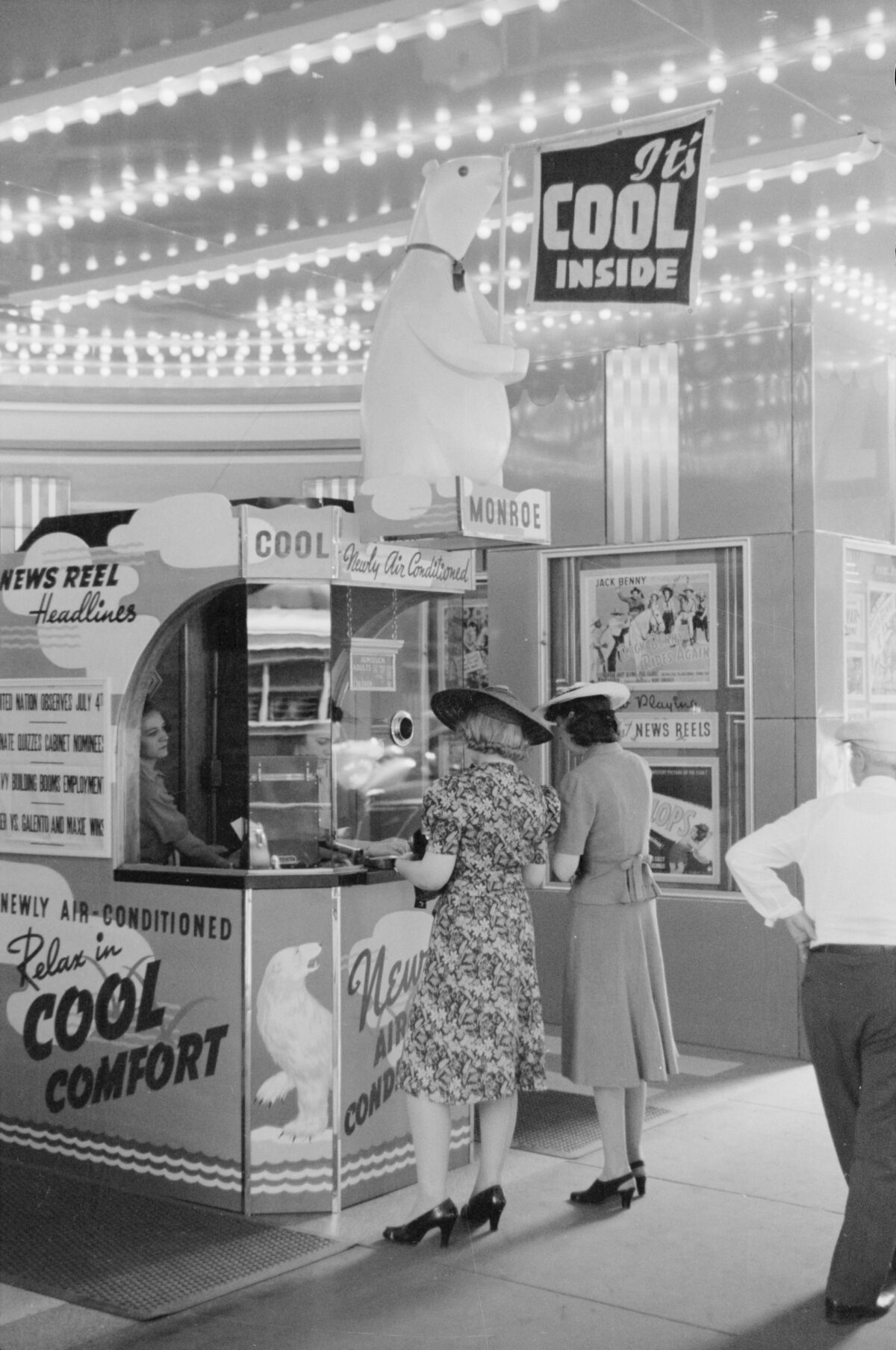
Dietmar Rabich / Wikimedia Commons / CC BY-SA 4.0
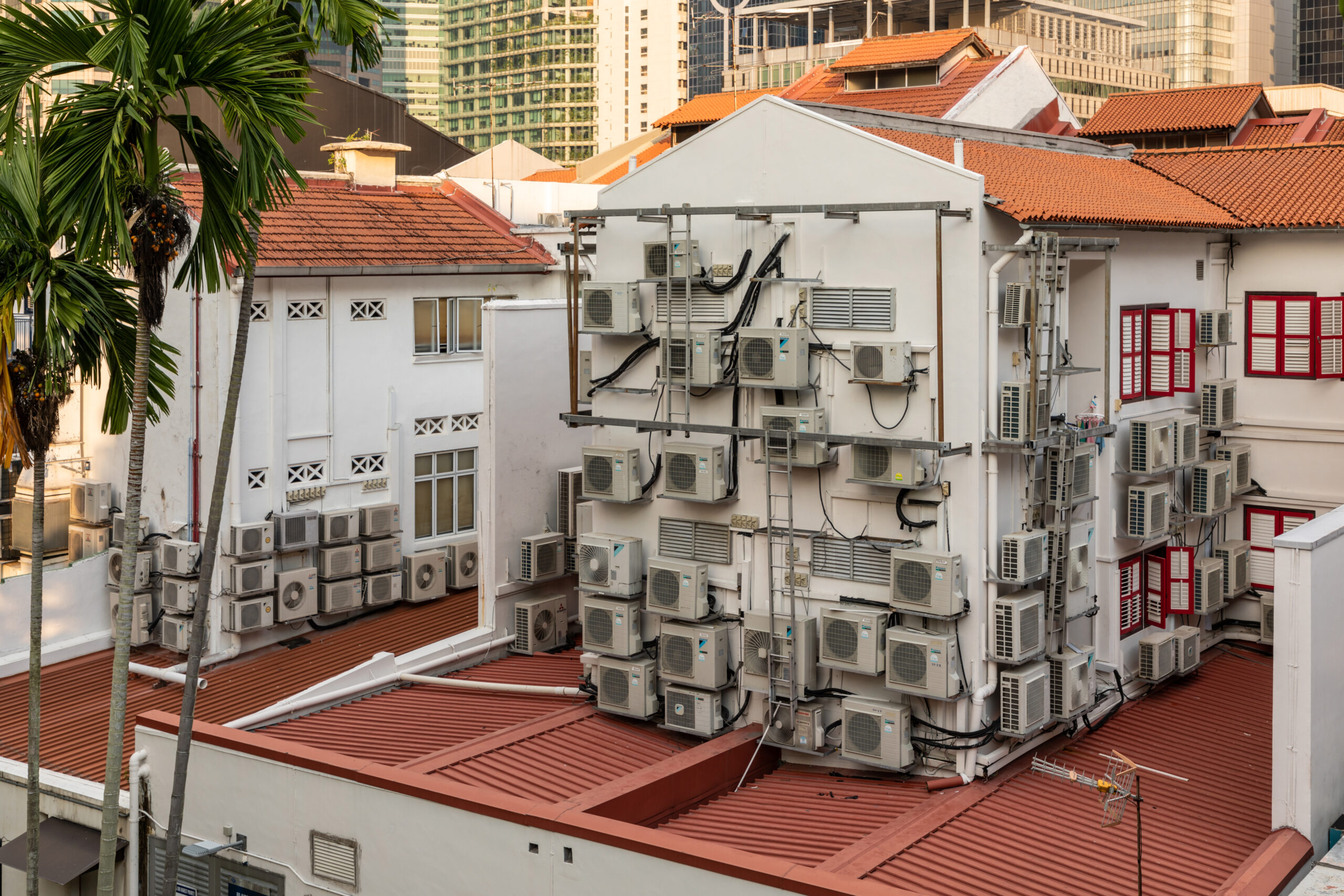
The exhibition explores five perspectives on thermal comfort and its profound influence on our culture and (built) environment. It asks how heat is transferred, and how thermal comfort is measured, produced, and distributed globally. The provocative section titles taken from historical American air-conditioning advertisements draw on the alluring narrative of the technological fix and how familiar it still feels today. Beneath seemingly ideal conditions, however, the exhibition reveals short-lived, expansive, and increasingly complex systems of climate control.
Air Conditioned invites all those living in and shaping the built environment to reflect on their experiences of heat and cold and to seek more socially just and resilient pathways for architecture that negotiate between human needs and ecological limits.
“WHY SWELTER?” – MEASURING THE COMFORT ZONE
Thermal comfort has historically been treated as a universal biological condition, a measurable state that can be calculated, standardized, and engineered, using normative human subjects as the benchmark. An initial physical journey explores the ways of human heat transfer. The section explores who benefits from these standards, who is overlooked, and who experiences discomfort within the prescribed comfort zone.
“‘PACKAGED AIR’ IS FINE FOR BABIES” – SELLING COMFORT
What was once shaped by habit and adaptation was transformed into a market for products, promises, and lifestyles. Advertising played a crucial role in the commodification of comfort: air conditioners came to symbolize the postwar North American middle-class dream, and mechanical cooling was sold not simply as a technical convenience, but as progress, hygiene, and luxury. Today, comfort is offered through an expanding range of devices, from household air conditioners to personal climate gadgets and wearable heating and cooling systems.
“THE PERFECT ENVIRONMENT: NO OPEN WINDOWS – AMPLE FRESH AIR” – FRAGILITY OF TECHNOLOGY
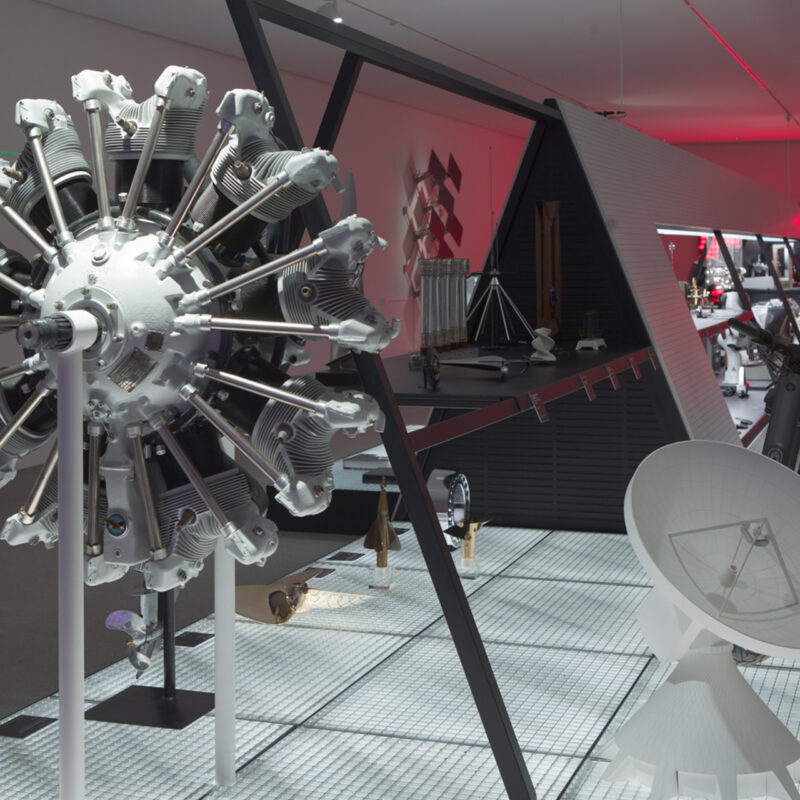
Over the past century, architecture has increasingly delegated climate control to machines. They consume and rely on energy, require maintenance, depend on complex supply chains, and ultimately have an expiration date. This section opens up the technical anatomy of conditioned space, down to the mechanical rooms of the Pinakothek der Moderne itself, and asks how resilient a building is that can no longer function without continuous mechanical support.
“UNCONDITIONAL SURRENDER” – DESIGN FOR SHIFTING CLIMATES
Before mechanical cooling became widespread, buildings around the world were developed in dialogue with local climates and topography, using orientation, shading, ventilation, thermal mass, vegetation, and cultural practices to shape indoor comfort. This section gathers passive and low-energy approaches that work with environmental conditions, bodily adaptation, and regional knowledge.
“FOR THOSE UNBEARABLY HOT DAYS AHEAD …” – THERMAL REGIMES
Comfort is not distributed equally. Those most vulnerable to extreme heat are often the least responsible for the emissions driving climate change, and the least able to access protection. This section shifts the focus from individual comfort to collective responsibility, asking who gets to stay cool, who bears the environmental cost, and what forms of thermal justice might be possible in a hotter world.
An exhibition by the TUM Chair of Building Technology and Climate Responsive Design (Thomas Auer) and the Architekturmuseum der TUM (Andres Lepik).
CURATORS: Cara Hähl-Pfeifer, Sebastian C. Koth
RESEARCH: Bilge Kobas, Sandra G. L. Persiani
TEAM: Alice Morgane Fleury, Rosa Ebert, Daniel Schlosser
EXHIBITION DESIGN: optimist office (Munich, Zurich, Brussels)
GRAPHIC DESIGN: hla.studio (Leipzig)
With contributions by: Nick Axel, Daniel Barber, Juan Benavides, Katja Jug, Wolfgang Lehrner, Forrest Meggers, Sascha Roesler, Eric Teitelbaum
Projects by Students of the Technical University of Munich: Naida Avdagic, Karina Boxberger, Rahel Fitzthum, Moritz Gamerdinger, Joshua Kiefer, Jesse Lange, Bence Lipcsei, Johanna Müller, Timo Sawitzky, Iben Schneider, Anton Schulz, Lennart Karl Schulz, Hanna von Waldow, Ruben Winter, Maxim Yurin und Matthias Zoller
In cooperation with: Deutsche Gesellschaft für Nachhaltiges Bauen; Wissensstiftung; Wüstenrot Stiftung; PIN. Freunde der Pinakothek der Moderne e.V. und dem Kooperationspartner der Allianz, Freundeskreis Architekturmuseum TUM; Reflex Winkelmann GmbH
With additional support from: hZo GmbH; Kalthoff GmbH; KS Engineering GmbH on behalf of LAMILUX Heinrich Strunz GmbH; W. Söhningen GmbH; str.ucture GmbH
Publication
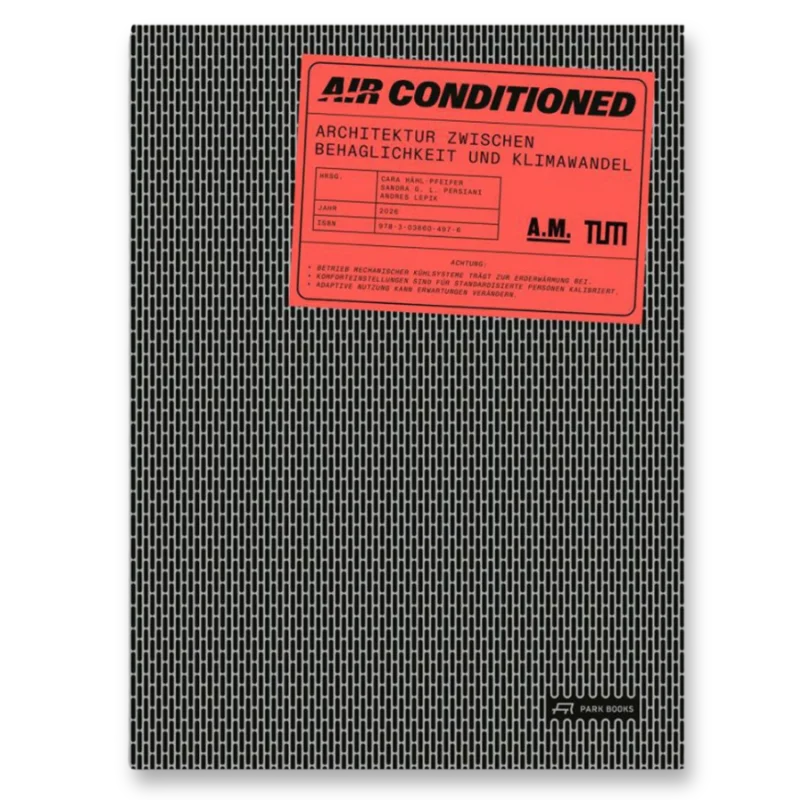
Air Conditioned: Architecture Between Comfort and Climate Change, edited by Cara Hähl-Pfeifer, Sandra G. L. Persiani and Andres Lepik, published by Park Books, Zurich (German: ISBN 978-3-03860-497-6, English: ISBN 978-3-03860-498-3; 35 euros).
Air Conditioned explores the complex interplay through which modern architecture, urban environments, and cultural expectations have been shaped by the pursuit of con¬trolled in-door climates. It examines the stories we tell about technology, the infrastructures that deliver comfort, and the social and political frameworks that have produced contemporary regimes of thermal comfort. The publication is an invitation to renegotiate what we have come to treat as necessary, and to find resilient ways of living with the climate rather than sealing ourselves off from it.
With contributions by Daniel A. Barber, Amelie Bauer, Jiat-Hwee Chang, Kris De Decker, Megan Eardley, Jennifer Ferng, Cara Hähl-Pfeifer, Eva Horn, Bilge Kobas, Sebastian C. Koth, Wolfgang Lehrner, Andres Lepik, Jakob Nonnen, Rosie Paul, Sandra G. L. Persiani, Susan Roaf, and Sascha Roesler.
Deutschland 2026
Deutschland 2026
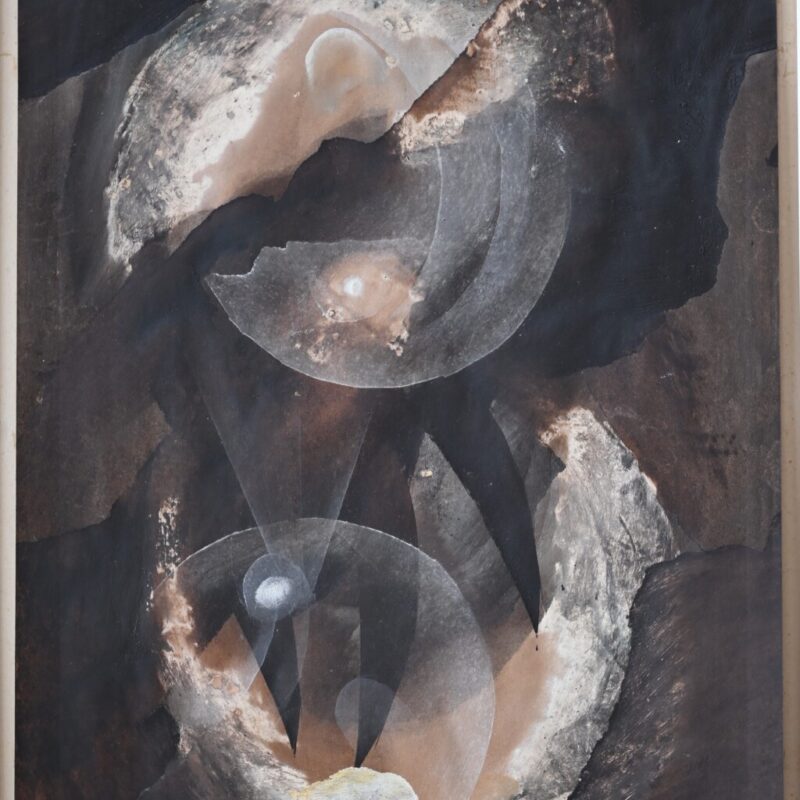
Fritz-Winter-Stiftung, Bayerische Staatsgemäldesammlungen
© Fritz-Winter-Stiftung
Neuerwerbung 2024
2016 aus Mitteln der Art Mentor Foundation Lucerne durch Ankauf erworben
Foto: Bayerische Staatsgemäldesammlungen, Haydar Koyupinar
© Estate of Dan Flavin / VG Bild-Kunst, Bonn 2025
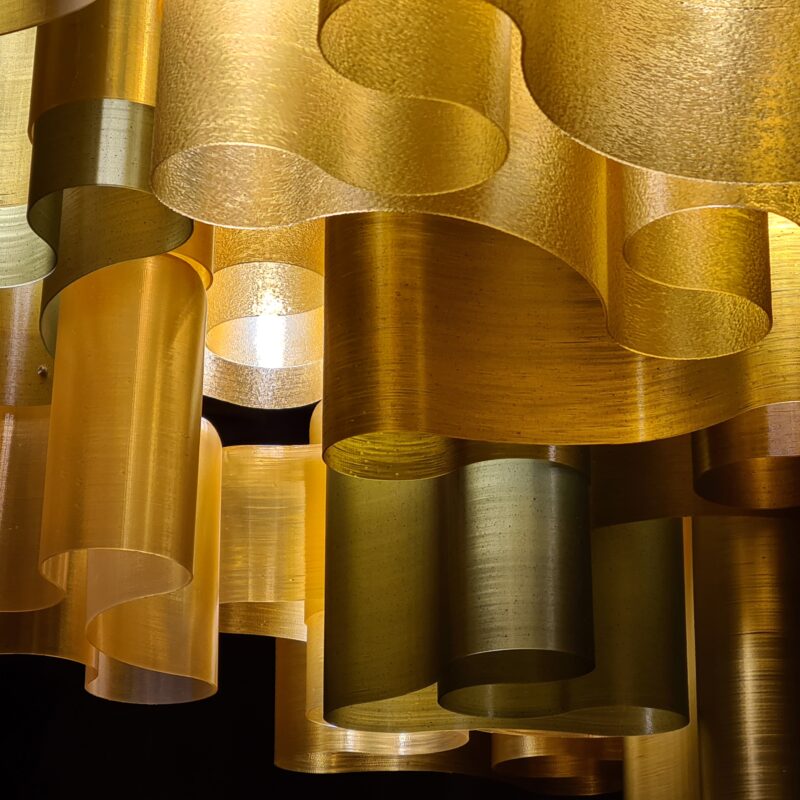
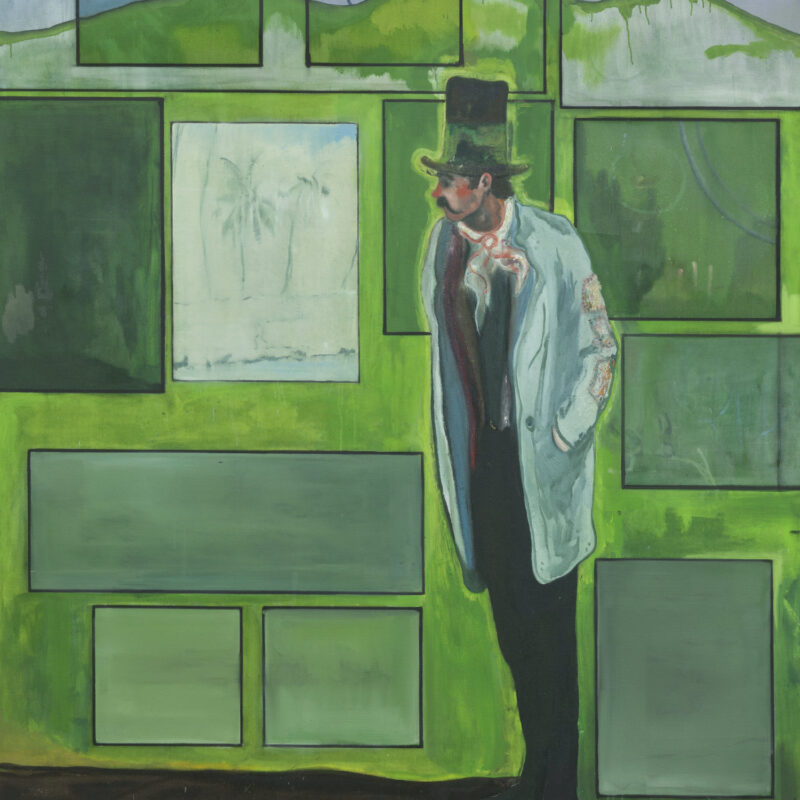
2004 von PIN. Freunde der Pinakothek der Moderne erworben
Bayerische Staatsgemäldesammlungen - Sammlund Moderne Kunst in der Pinakothek der Moderne München
© Peter Doig. All rights reserved / VG Bild-Kunst, Bonn 2026
Planning your visit
Open today till 6 PM
Daily 10.00 – 18.00
Thursday 10.00 – 20.00
Monday closed
Barer Straße 40
80333 München
Sunday admission 1€
Thursday – Saturday 10€
reduced 7€
Day pass (Alte Pinakothek, Pinakothek der Moderne, Museum Brandhorst, Sammlung Schack) 12€