Andjelka Badnjar ON Glass (Black) Box
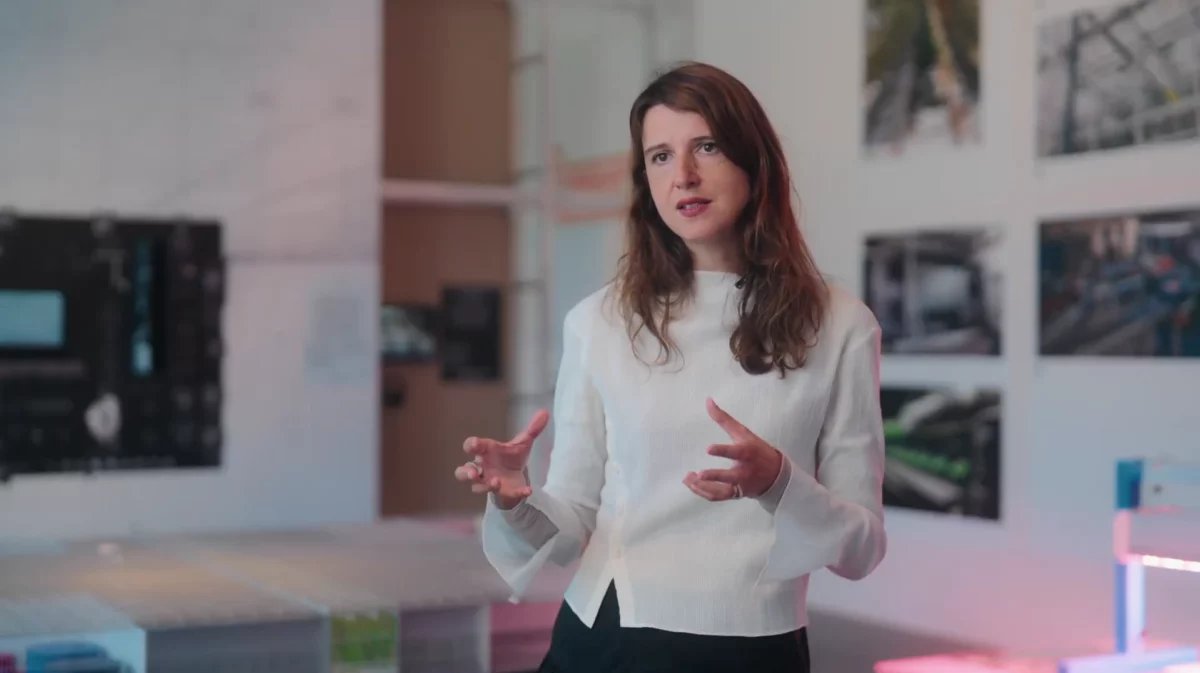
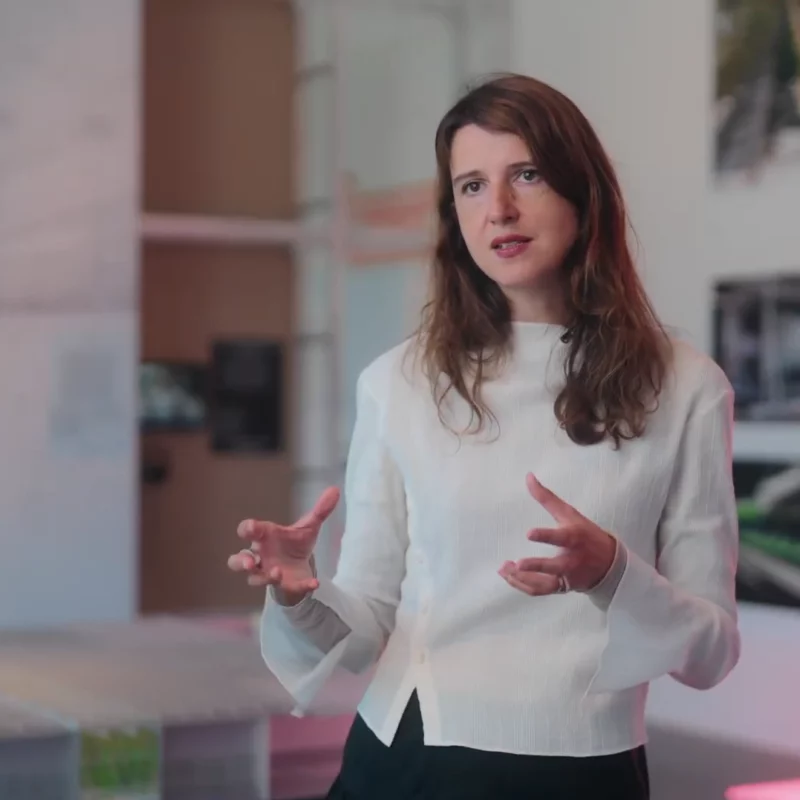
ONE ON ONE with Andjelka Badnjar
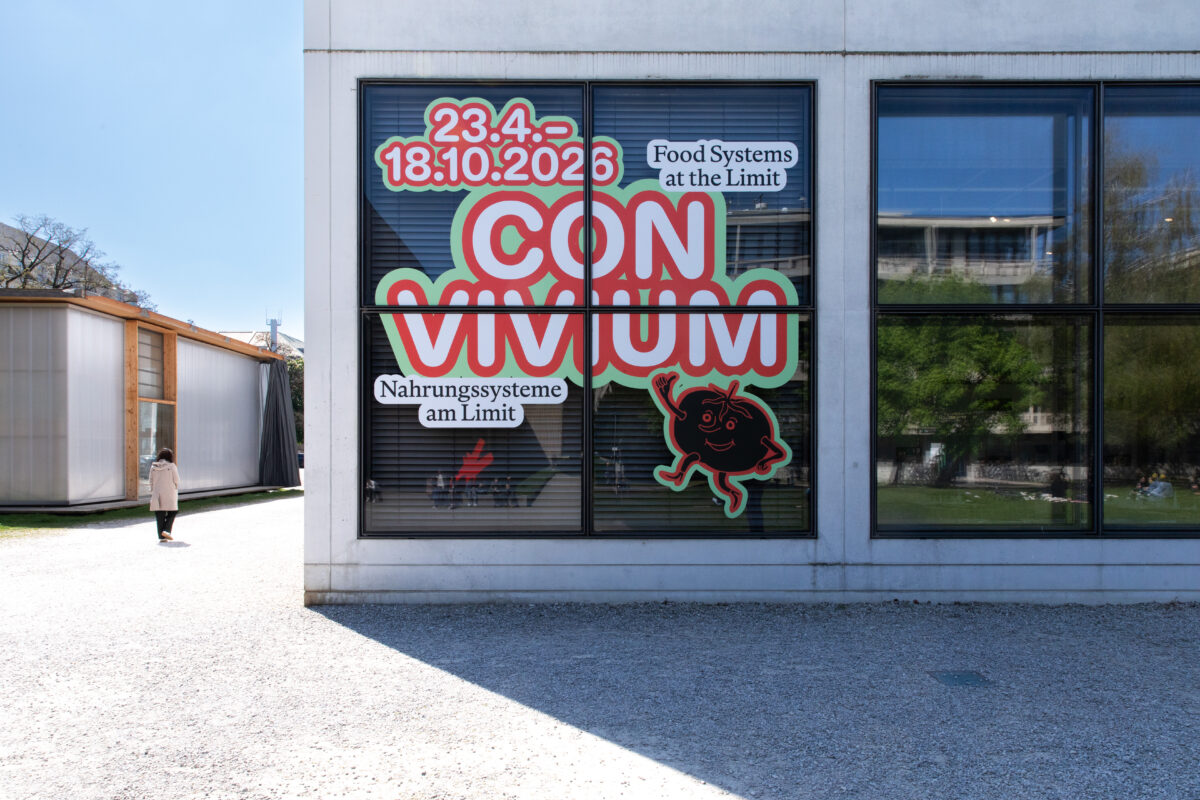
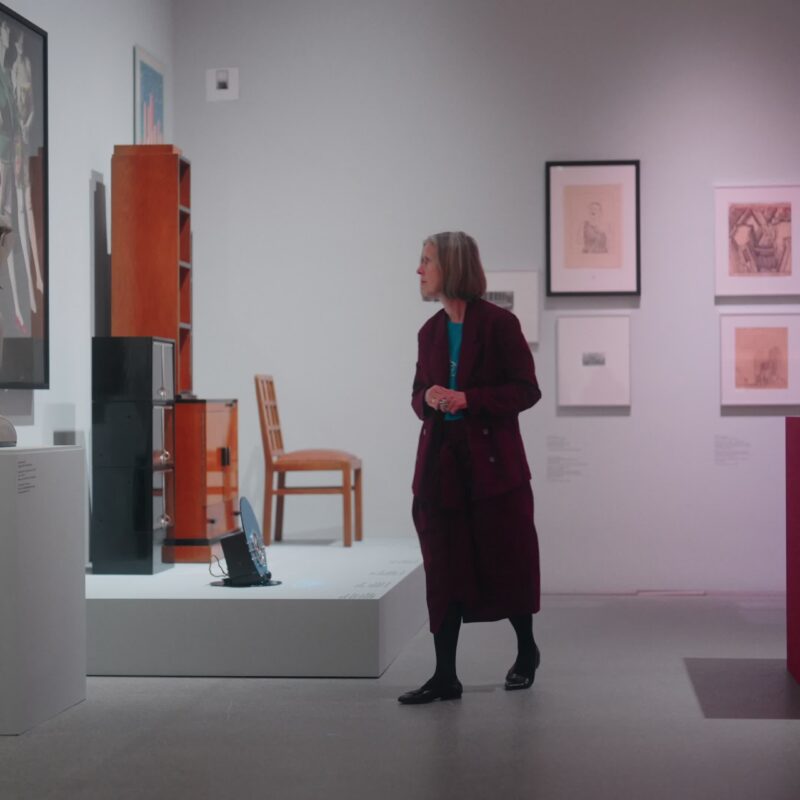
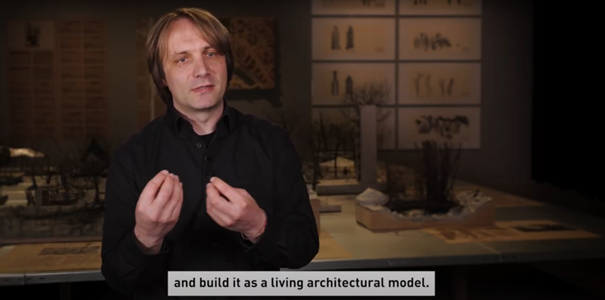
In this episode of ONE ON ONE, curator and architect Andjelka Badnjar discusses the installation "Glass (Black) Box", which is on display in the exhibition CONVIVIUM. FOOD SYSTEMS AT THE LIMIT (23 April–18 October 2026) at the TUM Architecture Museum in the Pinakothek der Moderne.
Video: Katalog Film
Model ‘The Glass (Black) Box’ by Adam Scales and Laurens Kistemaker
Developed in collaboration with VÍCTOR MUÑOZ SANZ, GENT SHEHU and GRACE ABOU JAOUDE of Delft University of Technology
Climate as a Service
The prevailing narrative regarding the sustainability of Dutch agriculture in controlled environments (Controlled Environment Agriculture, CEA), particularly greenhouse cultivation, often presents it
as an innovative and reliable solution for future food production. This narrative, promoted by cities, agri-tech companies and other stakeholders, suggests that high-tech greenhouses can overcome climatic and geographical constraints and drive a transformative change in food production. CEA is frequently positioned as a sustainable solution to global food insecurity, as it is claimed to reduce CO₂ emissions, energy and water consumption, and the use of pesticides, whilst simultaneously increasing yield efficiency. These technology-intensive systems are presented as pathways to optimal performance,
improved decision-making and resilience to climate change and labour market instability. Furthermore, the integration of automation technologies to control the indoor climate is hailed as a means of managing the unpredictabilities of the natural environment and ensuring the continuity of capital reproduction.
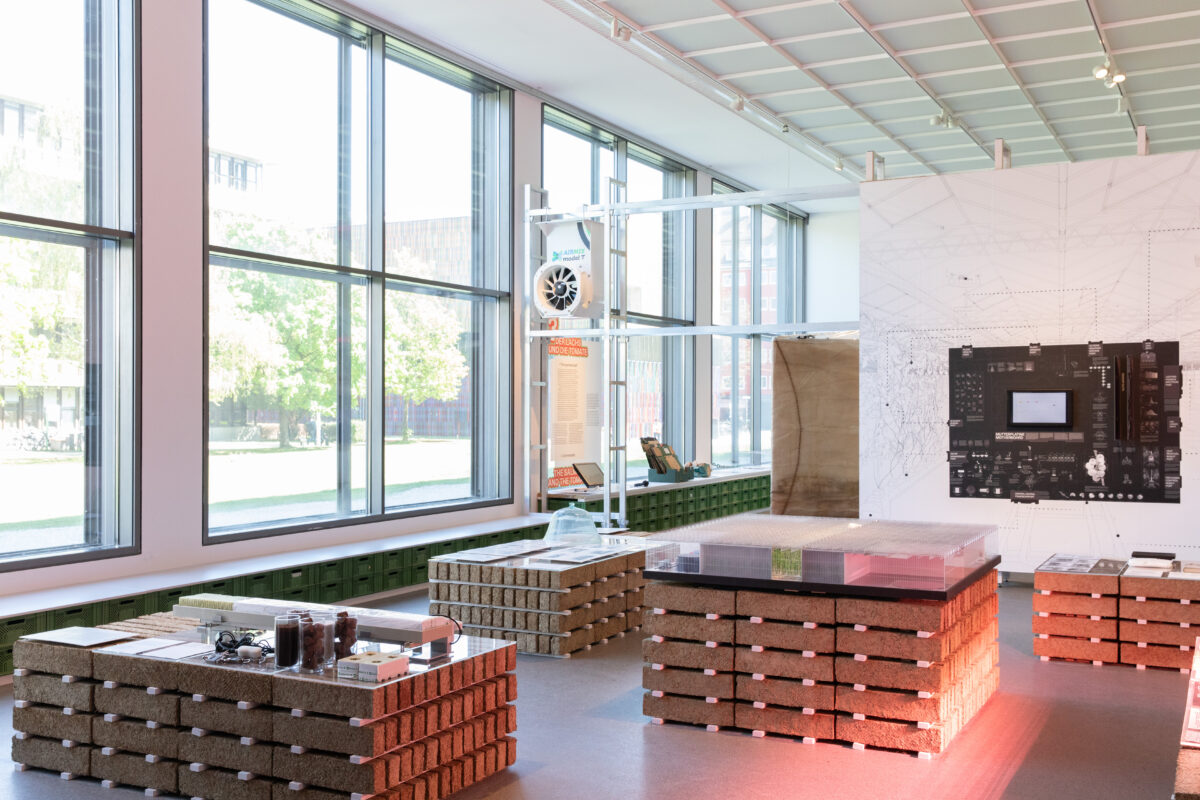
The architecture of Dutch horticulture in a controlled environment
Given the wealth of innovations and expertise, Dutch solutions for indoor climate control are being exported to new geographical contexts and adapted to local conditions, ostensibly to support sustainable forms of food production. The integrated hardware-software-orgware system, developed over centuries of Dutch horticultural practice and refined through successive political, economic and environmental crises, is now being offered internationally under the ‘Climate as a Service’ model. Under this paradigm, recipient countries can acquire individual components – physical infrastructure, digital climate-control platforms or organisational expertise – but are increasingly opting for the fully integrated package, which decouples controlled food production environments from their immediate surroundings. Solutions for the indoor climate are replicated and disseminated across different geographical contexts – as a service that not only boosts food production but also subjugates ‘nature’. In fact, these services lead to, support and produce spatial fixations, and contribute to new geographies of ‘artificially created’ and controlled environments for food production.
About the Exhibition
Ensuring a secure and equitable food supply for the world’s population depends on a system of global networks: farmers, fishers, breeders, traders, transport companies, markets and industrial processing plants do not merely produce and distribute what is necessary for human nutrition. Driven by the capitalist logic of growth, they are motivated to produce ever more products, which, through overconsumption, lead to poor nutrition and massive food waste. Yet this system is increasingly reaching its limits due to global warming and political and economic factors. Many seas are already overfished; fertile farmland is being built on or is eroding, and entire swathes of land are being devastated due to a lack of rainfall. At the same time, food production itself contributes massively to climate change through rising CO₂ emissions – a vicious circle that is becoming increasingly apparent. Hardly any country on earth can still feed its population from its own resources.
The exhibition explores the significance of climate-controlled environments and highlights their dependence on ‘more-than-human’ (Rutherford and Marvin 2025) elements to sustain food production. Visions and claims regarding food security and sustainability are further scrutinised in order to uncover the processes, socio-technical systems and materials on which these narratives are based.