About the Rotunda Project
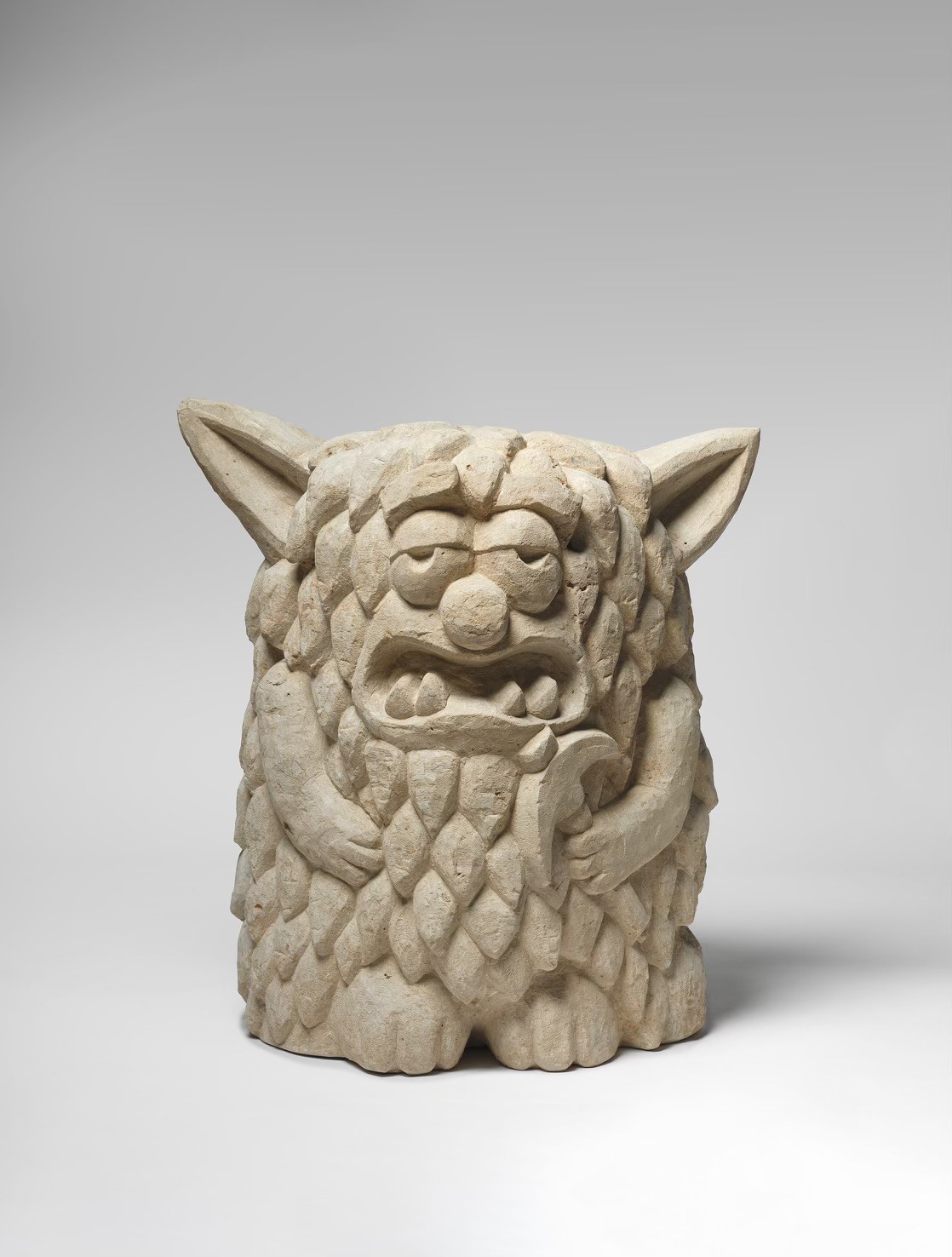
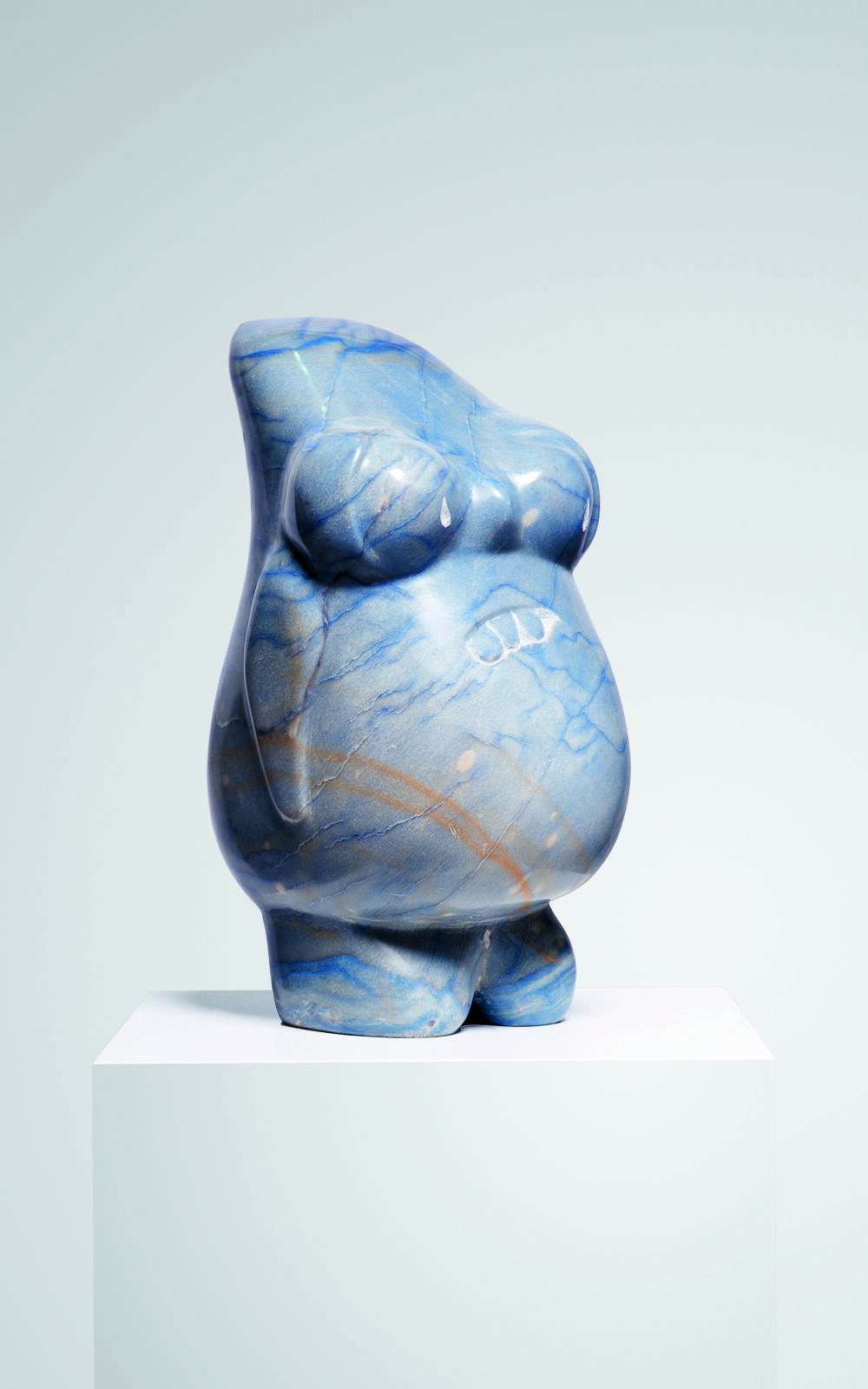
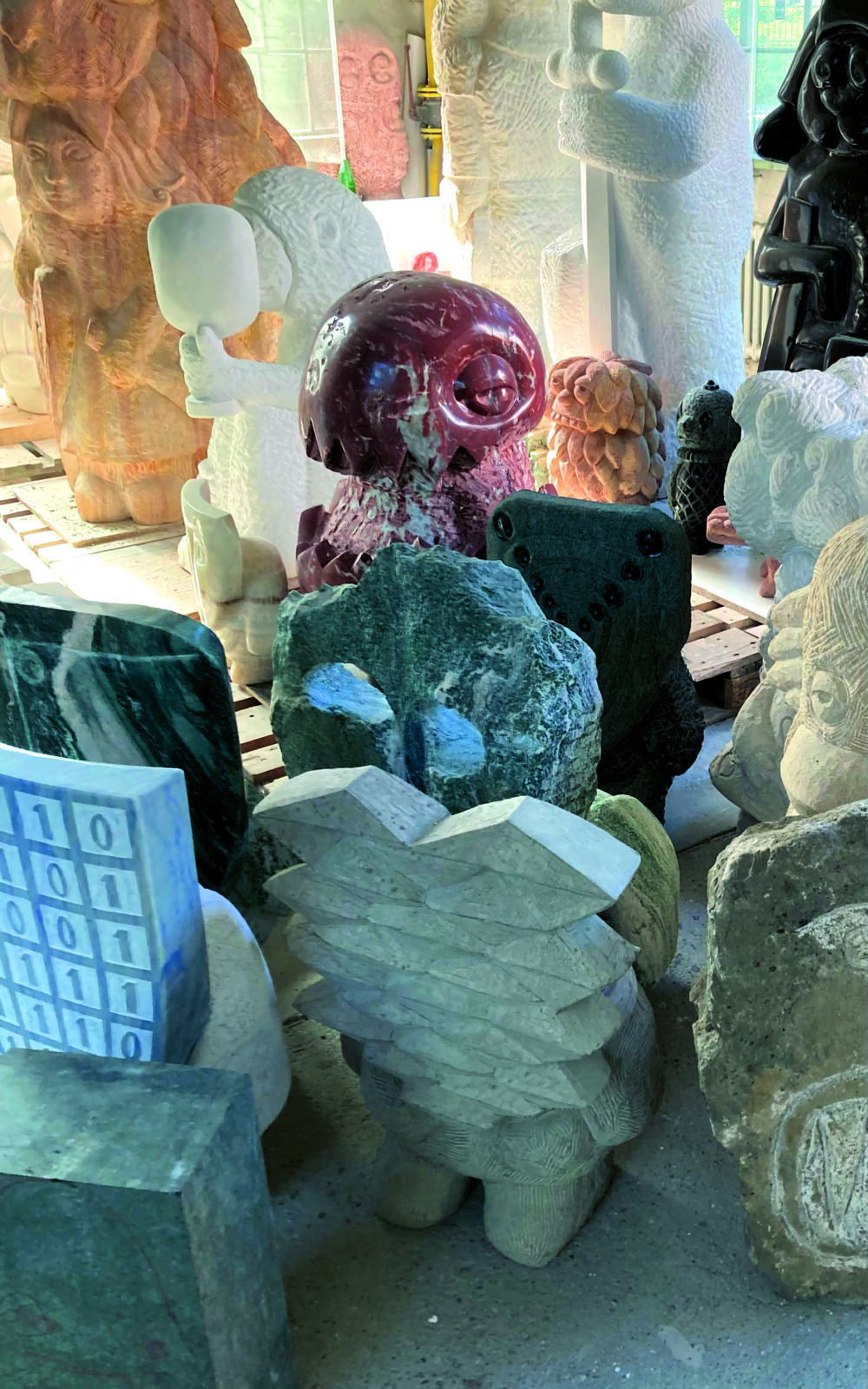
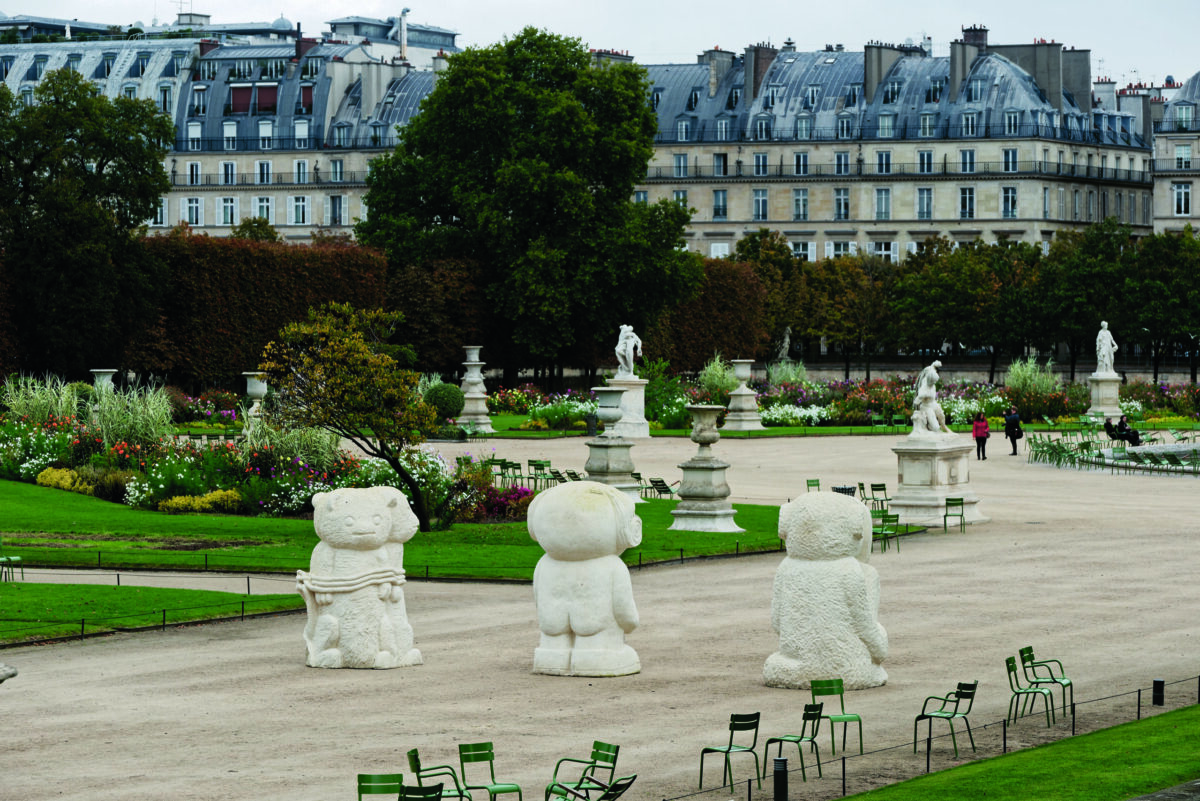
Stefan Rinck’s sculptures certainly cannot be said to lack weight, but they nonetheless come across as feathery flights of fancy in which aspects of high and low culture are boldly swirled together with diverse cultural and art-historical periods. This paradox is compelling, the sculptures deriving their impact less from their heavy monumentality than from their free-thinking capriciousness, as they win us over with their nonchalant self-evidence. With finely tuned instincts, Rinck constantly readjusts the parameters of his art, from sculpture to sculpture, and this process in turn informs his approach to the world as an artist.
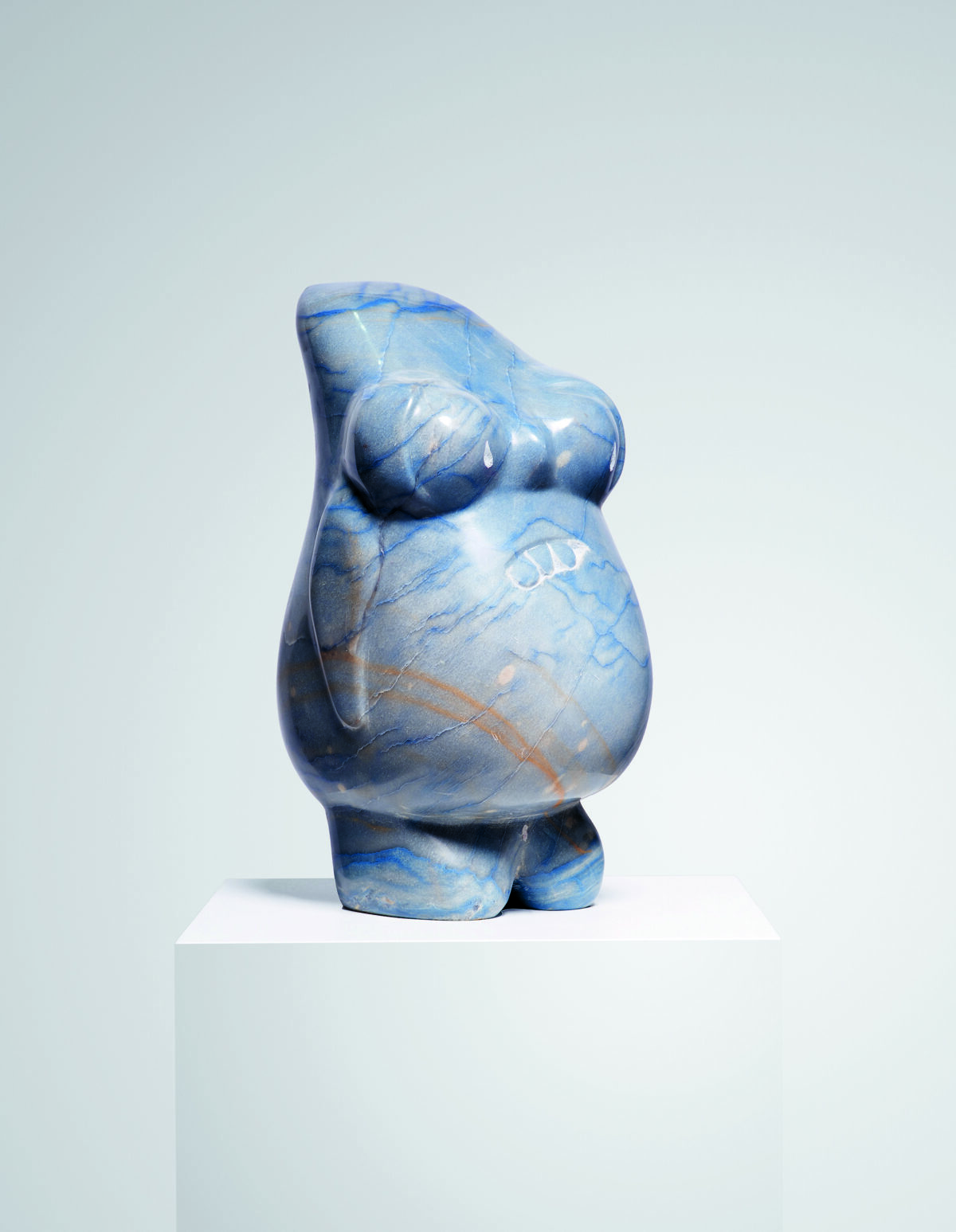
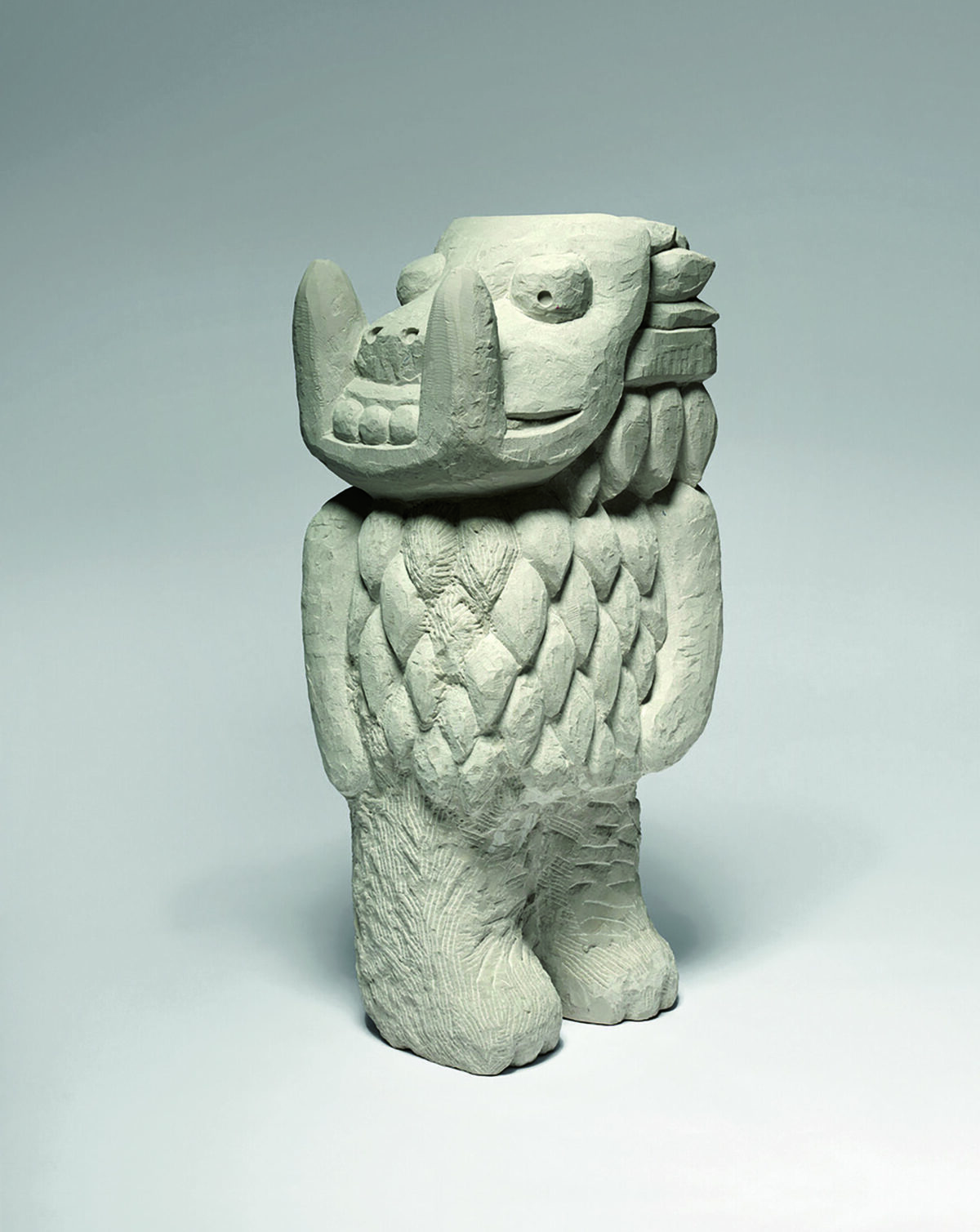
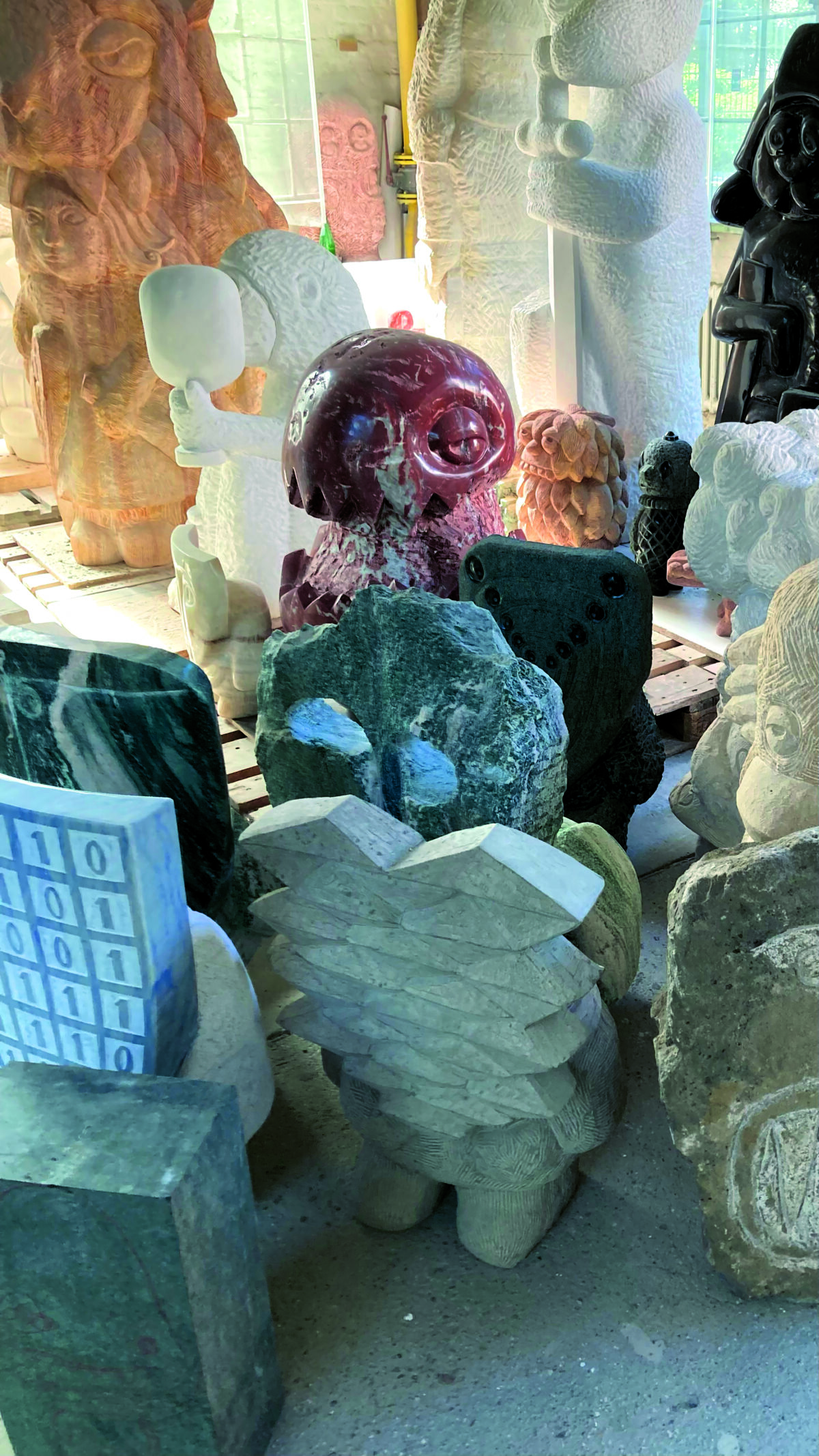
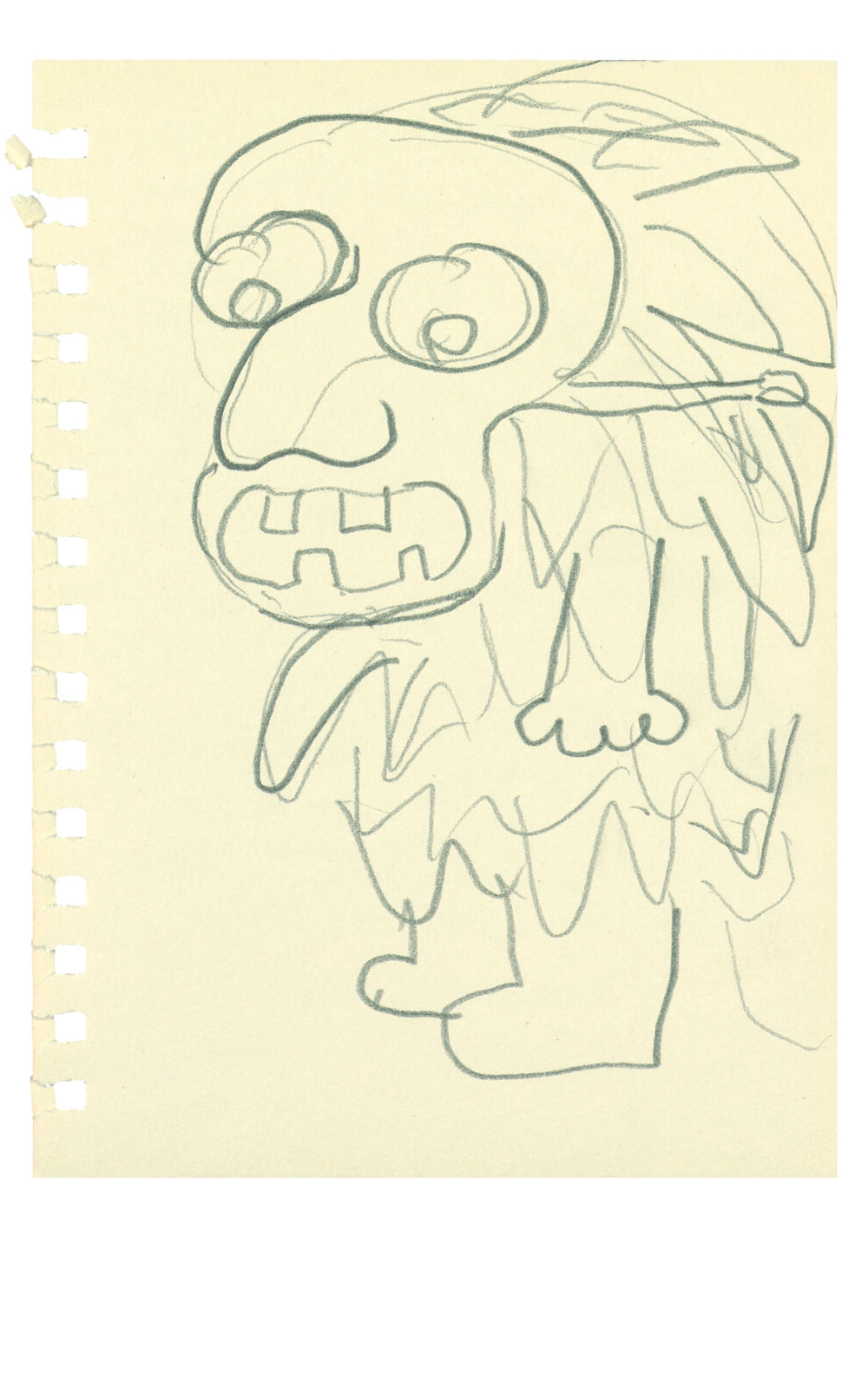
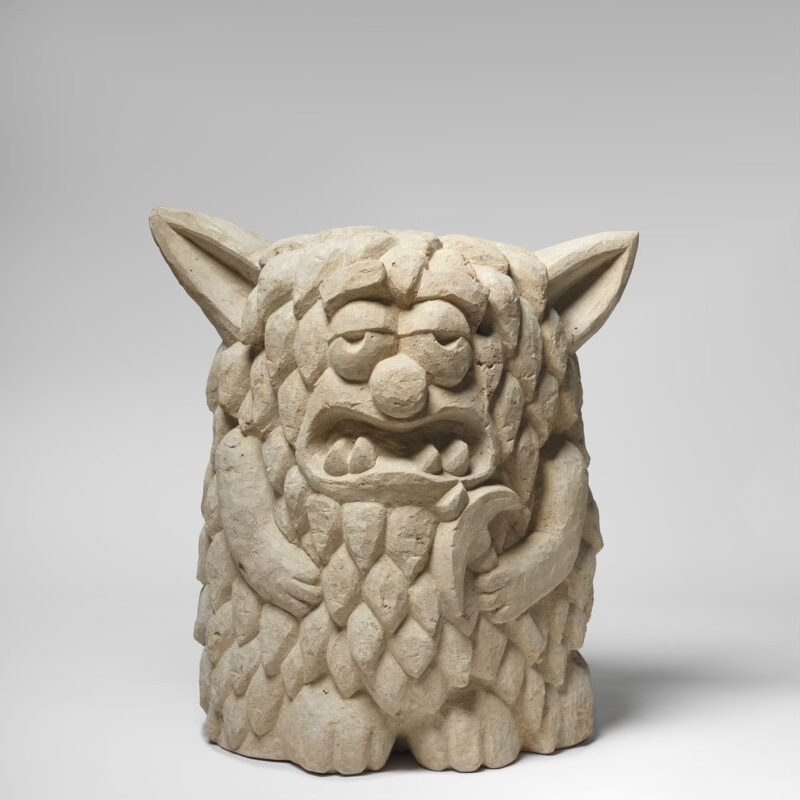
In his hands, rough rocks grow into unknown sublime creatures. When choosing which type of stone to use, he bears in mind the specific methods of working each material, in order to do justice to the allure of the future sculpture. With the stonemason’s expertise, his eye may jump from a more brittle, clay-colored Elbe sandstone to the hard brightness of a blue Macaubas or green Atlantis quartzite, before unexpectedly considering a block of snow-white statuary marble, the nonplus ultra of classical sculpture, for his next folie. The material mix of his sculpture park summons a motley crew of shimmering spirits into which he breathes life. With their often overdrawn features, they recall Picasso’s extraterrestrial acrobats of the blue and rose periods. Like them, Rinck’s statues inhabit our world without sharing our reality. Which is what makes them so appealing. We are touched by the strangeness of their fairy-tale habitat which, viewed close up while maintaining a safe distance, is not dissimilar to our own human nature with all its desires and anxieties.
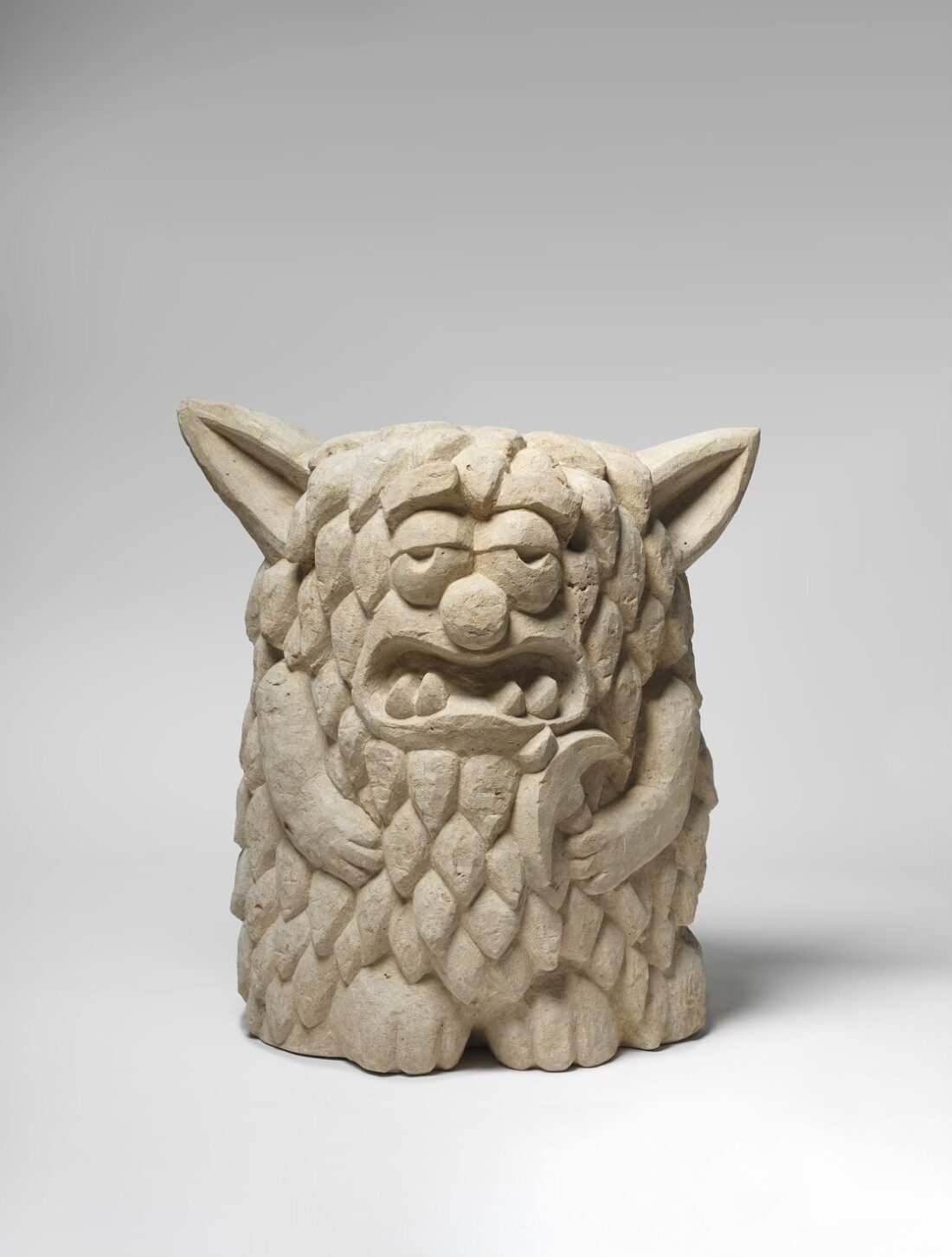
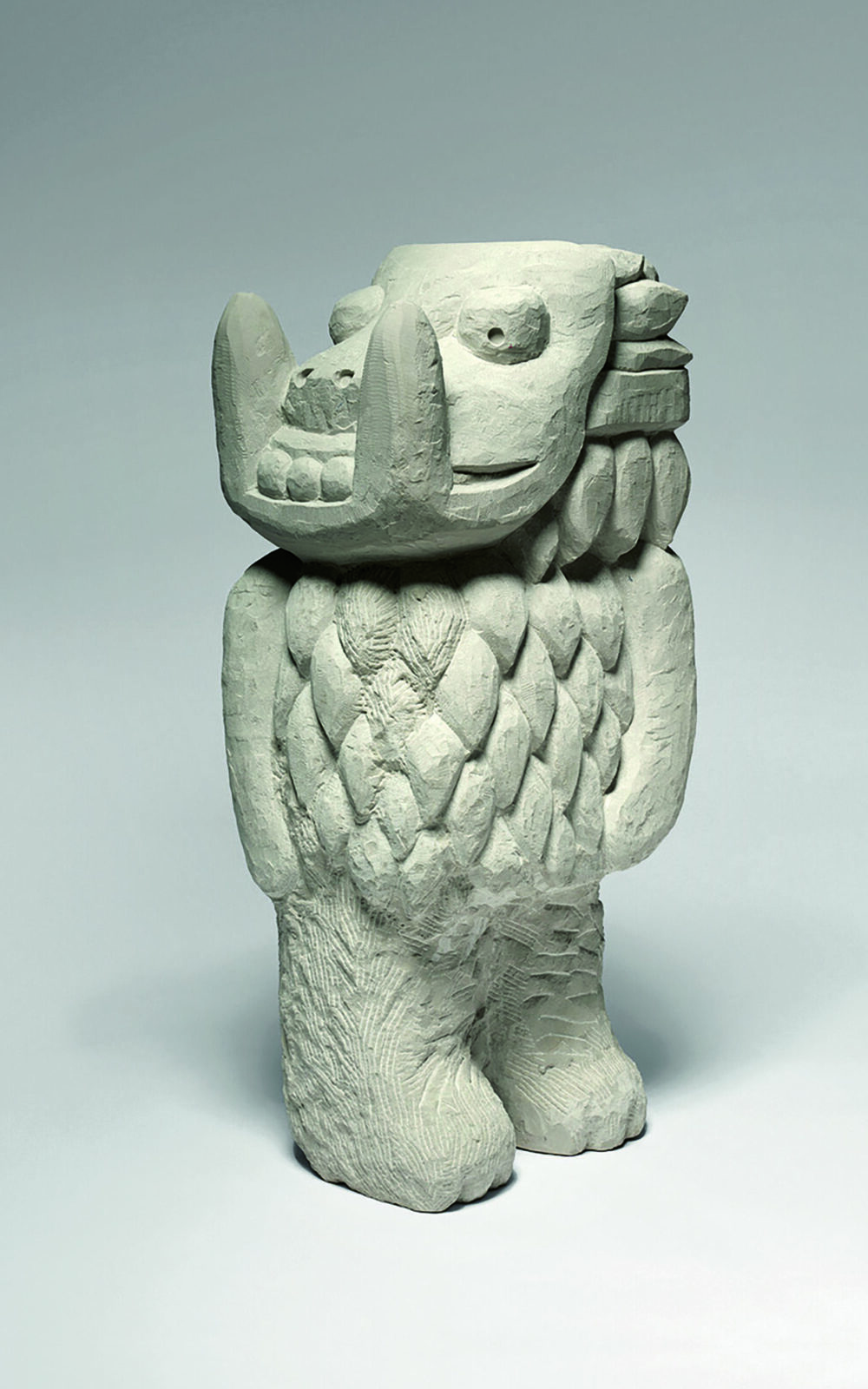
Alles von Dostojewski, 2025
Sandstein, 82 x 78 x 55 cm
Foto: Matthias Kolb, © VG BildKunst, Bonn 2025
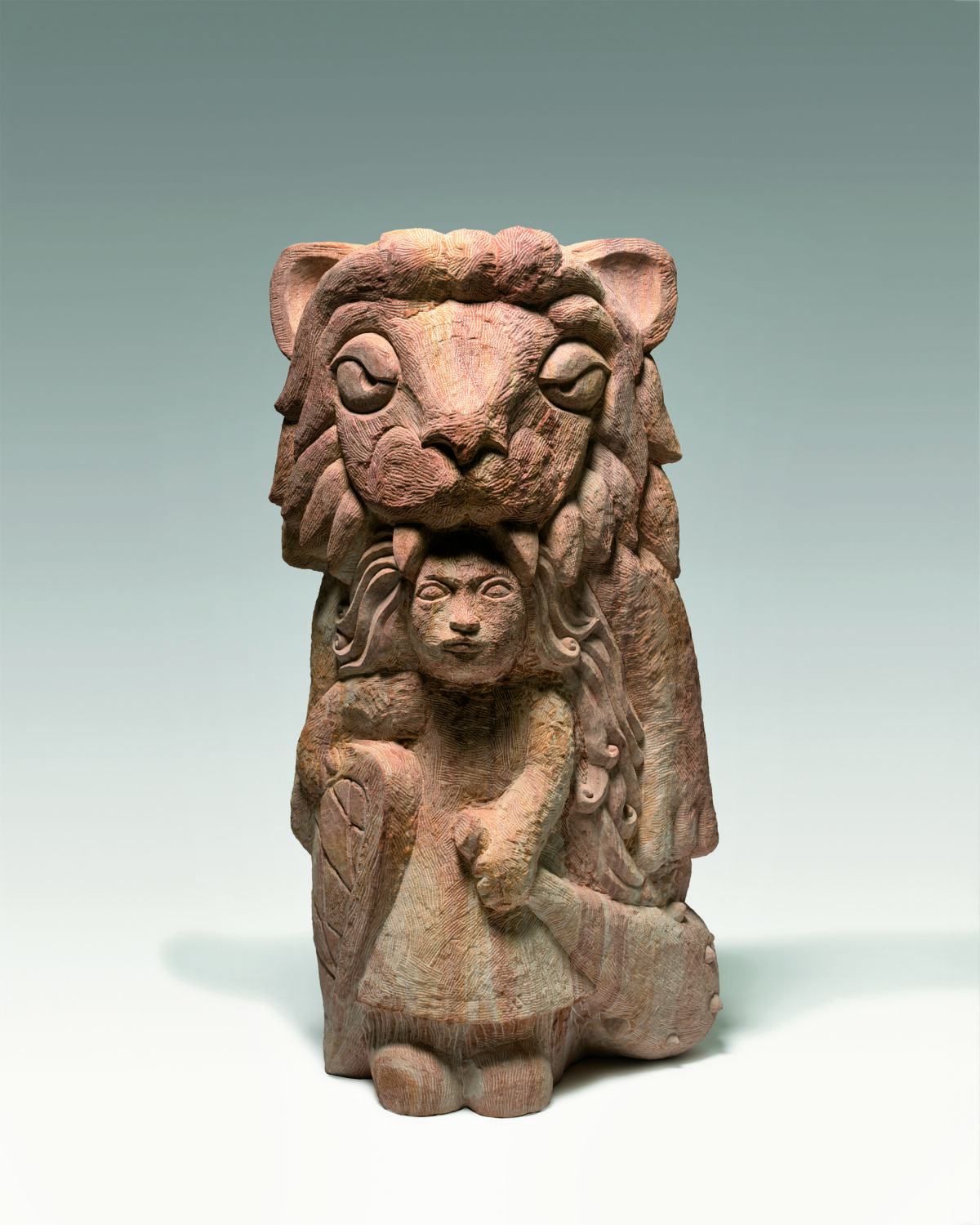
In this way, the well-read artist draws us deep into the history of art and culture, whose traces can be seen in his work, sharing with us his wealth of knowledge. His enthusiasm for Gothic and Romanesque cathedral architecture, for example, is unmistakable. In jest, one might claim that his sculptures reactivate the defensive magic of these buildings for our times. Many of his works quote epoch-making milestones, transferring them into a new form, not least in order to respond to the present.
This publication accompanies Rinck’s solo exhibition at the Pinakothek der Moderne, the first of three projects in the Rotunda curated by the Staatliche Graphische Sammlung München from late 2025. The catalogue brings together key sculptures created by the artist over the past decade, offering an overview of his distinctive development. It also documents a mighty crescendo, with more than thirty new sculptures entering the Pinakothek under the title Der Alpen-Clan kehrt zurück (The Return of the Alpine Clan). Nonchalantly evoking a Bavarian way of life, they offer a fresh take on traditions, such as customs, superstitions, and festivities, but also pride in this heritage. In the site-specific installation, Rinck’s latest cast of characters humorously questions regional cultural practices, appropriating and reinterpreting them. With a trace of mischief that recalls the medieval culture of upending hierarchical structures on certain feast days – a culture that survives in rudimentary form in Bavarian carnival – he proposes an alternative to the existing order. This reflects a subtle artistic strategy that prefers to discuss complex issues rather than offering one-dimensional answers.


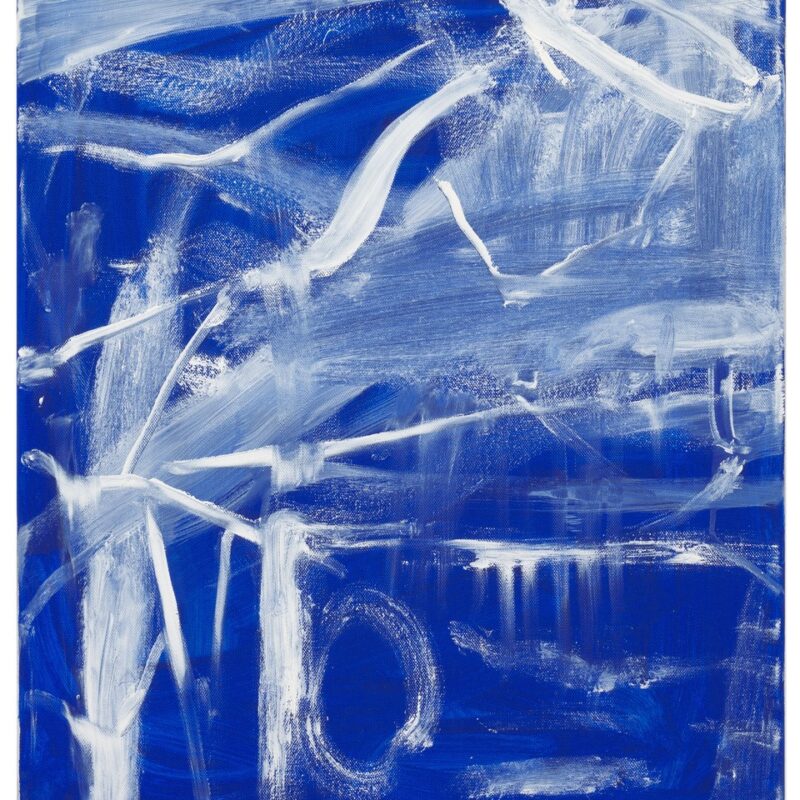
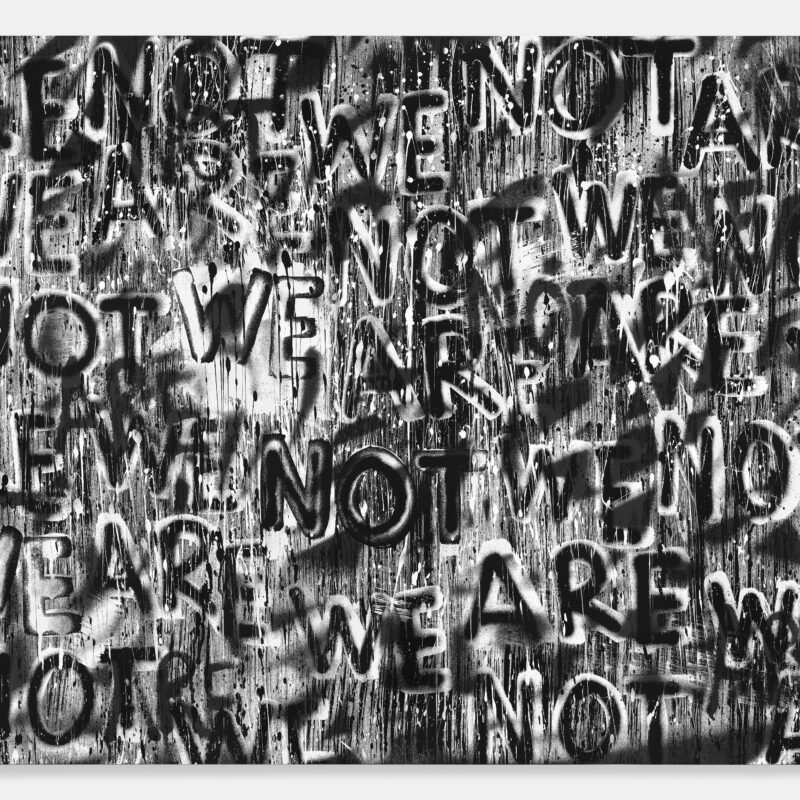
Ohne Titel (WE ARE NOT), 2021–2022
Siebdruck, Öl, Tinte auf Leinwand
304,8 x 594,4 cm
Written Art Collection
Foto: Andy Romer © Adam Pendleton
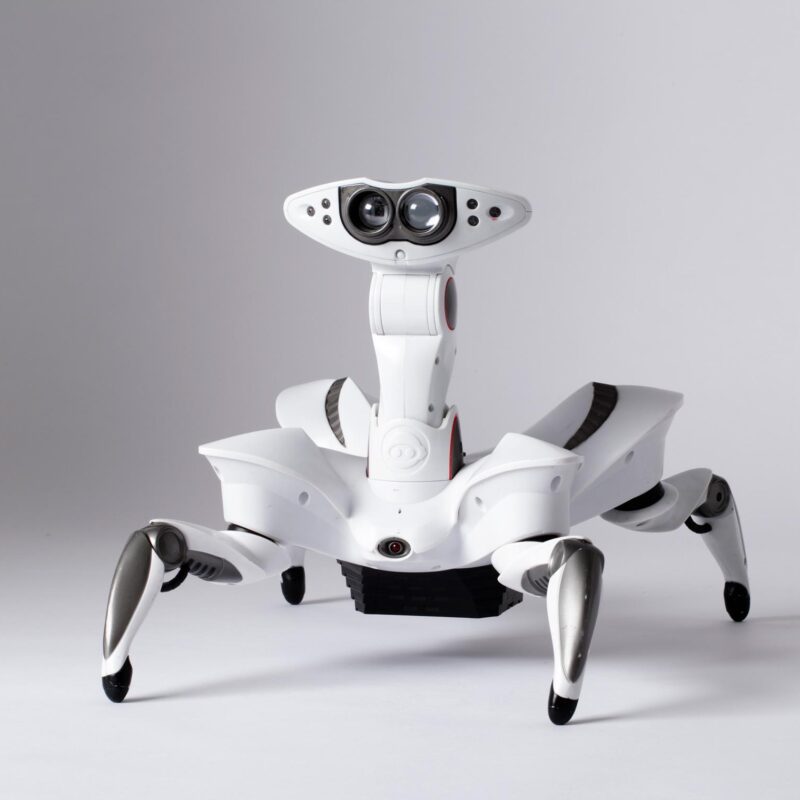
Ape with Mask, Naked Clown, The
Mongooses of Beauvais, Jardin des
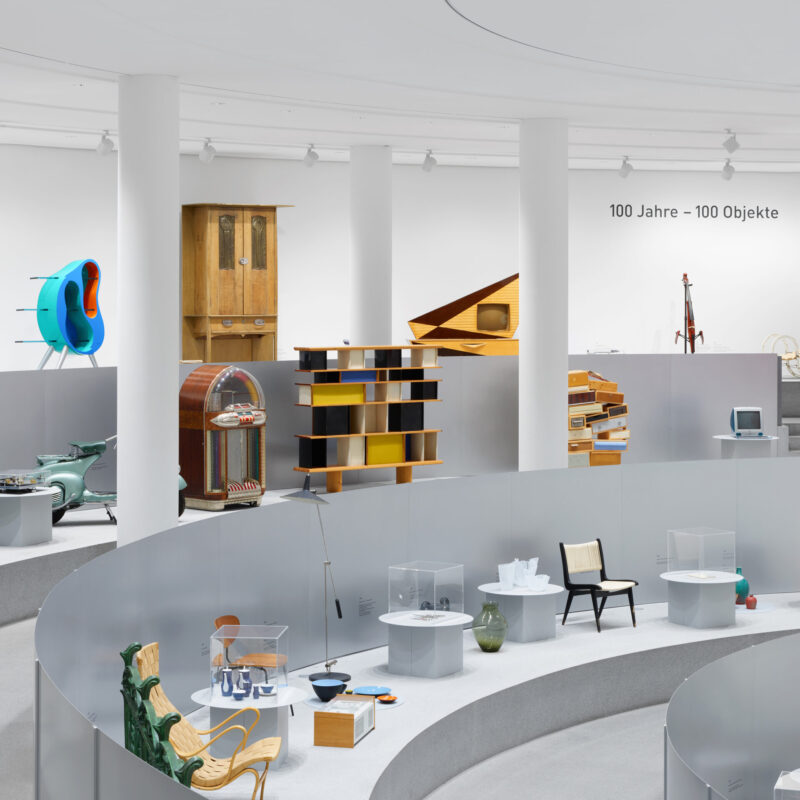
(?), Castallar, Frau; Foto: Die Neue Sammlung (A.
Laurenzo
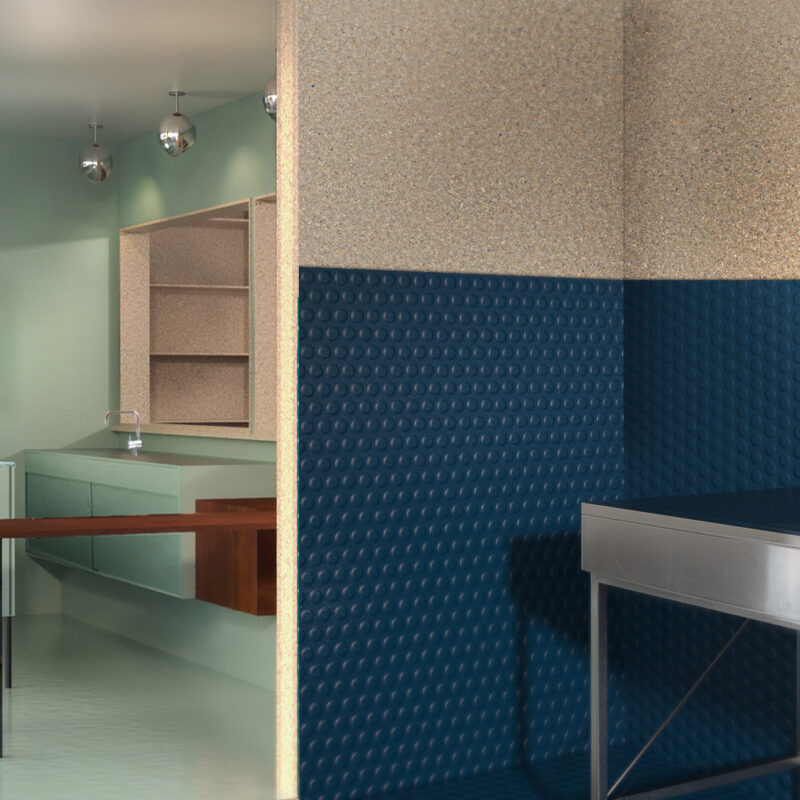
Ausstellungsansicht Kitchen Culture, Die Neue Sammlung – The Design Museum, 2024
OHA, München, DEU
Foto / Photo: Rendering OHA
Planning your visit
Open today till 8 PM
Daily 10.00 – 18.00
Thursday 10.00 – 20.00
Monday closed
Barer Straße 40
80333 München
Sunday admission 1€
Thursday – Saturday 10€
reduced 7€
Day pass (Alte Pinakothek, Pinakothek der Moderne, Museum Brandhorst, Sammlung Schack) 12€