About the exhibition
The safe and equitable supply of food to the world's population relies on a system of global networks: farmers, fishermen, breeders, traders, transport companies, markets and industrial processing plants. However, these networks not only produce and distribute what is necessary for human nutrition. They are driven by the capitalist imperative of growth to produce ever more products, which leads to poor eating habits and massive food waste due to overconsumption. Yet this system is increasingly reaching its limits on account of global warming and political and economic factors. Many seas are already overfished, fertile farmland is being developed or eroded, and entire regions are left devastated due to a lack of rainfall. At the same time, food production itself contributes significantly to climate change through rising CO₂ emissions – a vicious circle that is becoming increasingly apparent. Hardly any country on earth can feed its population entirely from its own resources anymore.
The exhibition uses twelve chapters to present vivid examples of how our food is produced and distributed today. While the focus is primarily on Europe, global contexts are also taken into account. The exhibition aims to show visitors the spatial and technical foundations of our food production, as well as the challenges and opportunities this poses for the future.
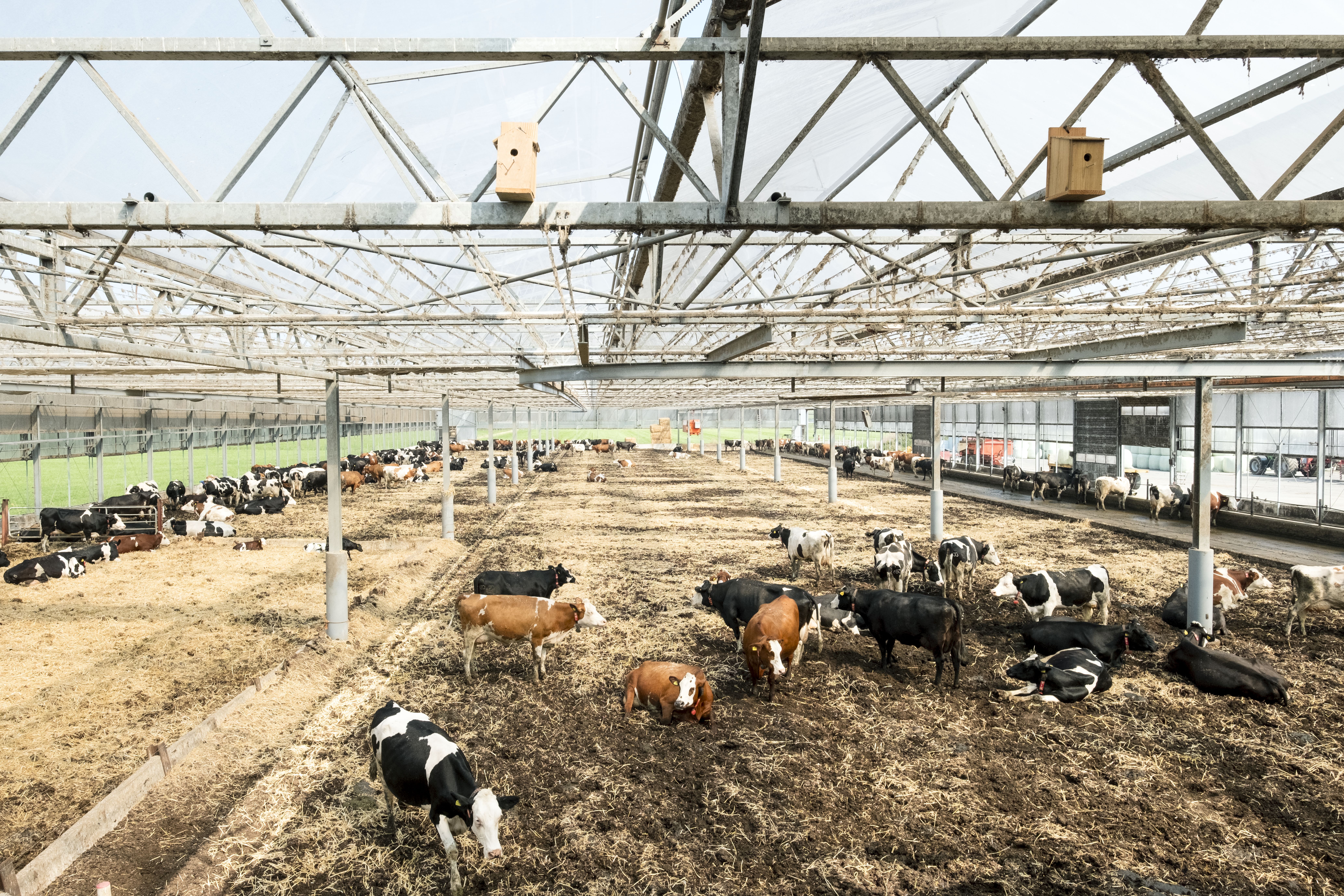
1. Climate as a service. The Netherlands is considered a pioneer in the development of high-tech greenhouses. In these greenhouses, vegetables, fruit and herbs can be cultivated all year round, regardless of the weather or season, thanks to precisely controlled environmental conditions. This sophisticated technology has itself become a successful export product, but it also competes with conventional, natural forms of cultivation.
2. Strawberries and greenhouses. Like many other fruits, strawberries are now available in supermarkets almost all year round. A graphic essay shows the consequences of this constant availability for regional producers in the Munich’s geographical surrounding.
3. The salmon and the tomato. Salmon farming has grown into a global industry. However, this growth comes at a high price: wild-caught fish are processed into fishmeal to serve as feed for the farm-raised fish. Overfishing has led to the collapse of small-scale local fisheries in some coastal regions of West Africa. Consequently, many people have lost their livelihoods and have been forced to migrate to the Canary Islands. Of those who survive the dangerous crossing, some end up working illegally and in precarious conditions in the tomato greenhouses of Almería.
4. Tropicalia. In Sicily, the consequences of climate change are already dramatically noticeable. Heat, drought and unpredictable extreme weather conditions are severely affecting agriculture. With new wheat varieties and the cultivation of tropical fruits, farmers are looking for ways to adapt to the changed conditions.
5. The animal is present. The modern cowshed is a prime example of the contradictions and absurdities that are becoming increasingly prevalent in today's food production. Digital control systems, genetic breeding and reproduction technologies are driving the production of ever greater quantities of milk and meat. The animals are bred for maximum performance and are nothing more than (living) machines in this system, while the farmer has effectively become a manager of predefined programmes and robotics.
6. Technominotaurus. An installation by Hungarian artist and researcher Daniel Szálai addresses the mostly invisible role of breeding bulls as carriers of genetic information. The multimedia installation highlights the physicality and mythical dimension of male animals.
7. Octopus choreography. The labour and production chain of local fishermen is illustrated using the example of the small coastal community of Angeiras in northern Portugal. Besides cod, sea bass, prawns and lobsters, they predominantly catch large quantities of common octopus. However, the region can no longer meet the growing demand for fish caused by tourism – and octopus fishing has a significant impact on the built environment.
8. Monks and machines. Carp farming has been part of the cultural landscape in Bavaria since the Middle Ages. Today, modern indoor aquaculture is giving rise to new forms of fish farming – even seafood such as prawns can now be farmed inland. New technologies promise greater efficiency and shorter transport routes for products that are being bought by more and more consumers.
9. Hinterglobes. In order for people around the world to consume more and more meat, huge areas of land must be set aside for growing animal feed – often far away from where the enormous numbers of cattle, pigs and other animals live or where the meat is consumed. The concept of ‘Hinterglobes’ highlights the territorial dependencies of food production.
10. Soyscapes. The growing global demand for soy – mainly used as animal feed – remains the main cause of the ongoing deforestation of the rainforest in Brazil. A graphic essay traces the often opaque production and supply chains to Europe.
11. The Ukrainian grain chain. By 2014, Ukraine had developed into a superpower in global grain production. This chapter analyses how Russia's war of aggression is deliberately destroying silos, irrigation systems and fields, leaving behind mine-contaminated soil and thus also threatening UN aid programmes in crisis regions.
12. Living soils. Soils form the fundamental basis of almost all food systems, acting as a living network of microorganisms that recycle nutrients, filter water and store carbon. However, overbuilding, overfertilisation and erosion are causing this vitally important yet limited layer of the Earth's surface to disappear – along with the basis of our food supply.
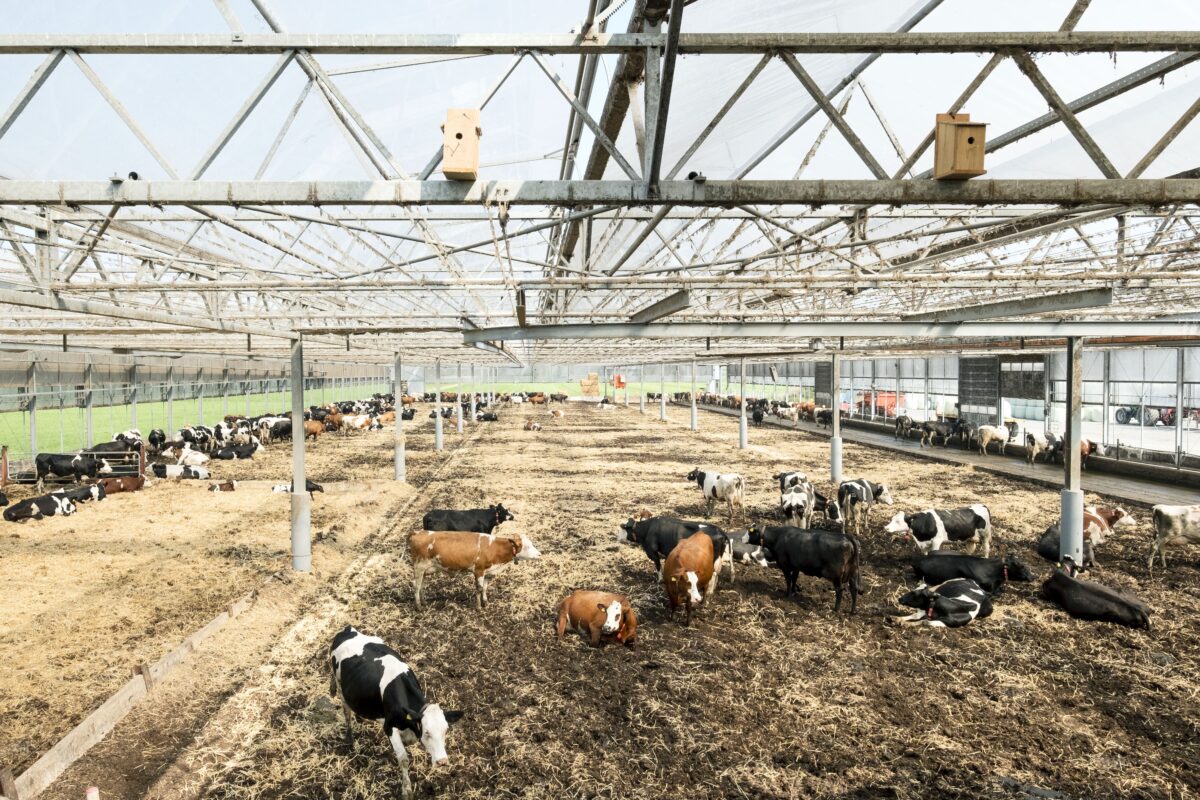
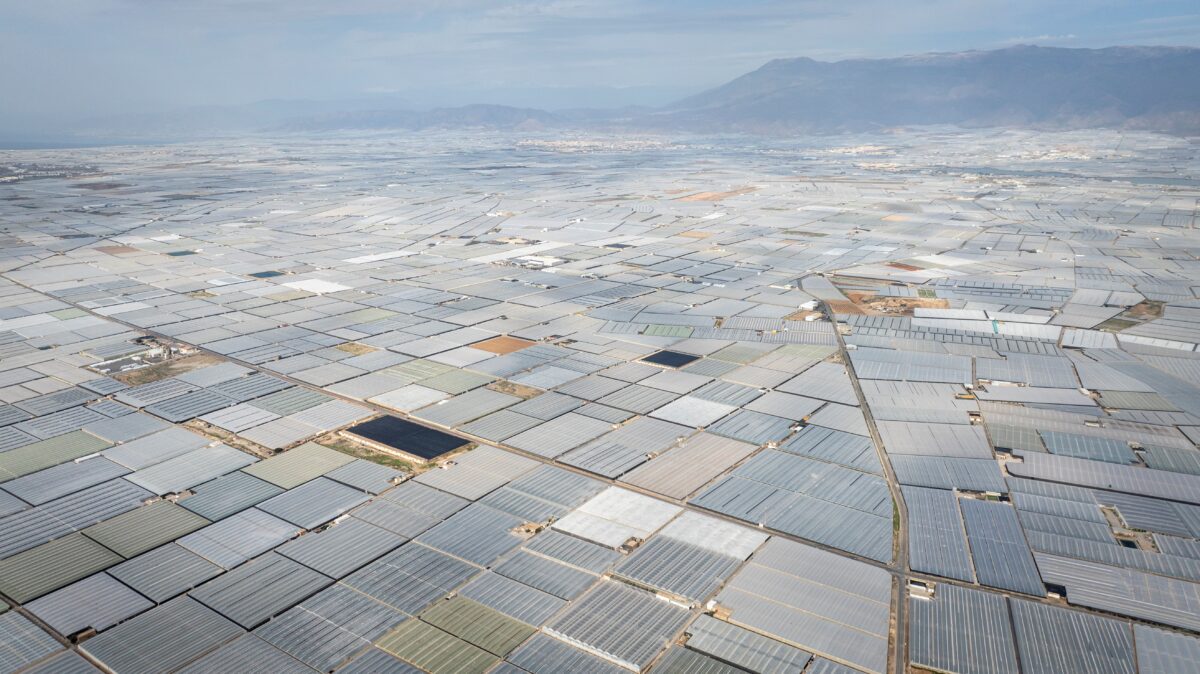
Photo: Neal Haddaway
Curators and Project Management: Andjelka Badnjar, Andres Lepik
Cocurators for the Exhibition Segment The Animal is Present: Victor Muñoz Sanz, Sofia Nannini
Expert Advice for the Exhibition Segment Living Soils: Stiftung Kunst und Natur; Netzwerk der Boden-Initiative und des Forum Nantesbuch der Stiftung
Assistant Curators: Stefan Pielmeier, Bram Terwogt, Pauline Ludwig
Public Program: Dietlind Bachmeier
Exhibition Design: Amelie Steffen, Maximilian Atta, Jan Müller
Exhibition Installations, Materials Research and Development: Niklas Fanelsa, Öykü Tok
Graphic Design: strobo B M Visual Communication
Julian von Klier, Sabrina Baumann, Matthias Friederich
Films: Nicole Humiński, Nikolai Huber
Sommerküche Conception and Design: Tillmann Gebauer, Sebastian Zitzmann, Alice Ianakiev
Supported by
PIN. Freunde der Pinakothek der Moderne e.V. und den Kooperationspartner der Allianz
Stiftung Kunst und Natur
Politecnico di Torino
istraw
BSR BPR Dr. Schäpertöns Consult
Spinder Dairy Housing Concepts
PRIVA Creating a Climate for Growth
Bayerischer BauernVerband
Oceanloop
Schurr Gerätebau GmbH
Freundeskreis Architekturmuseum TUM
Brochure
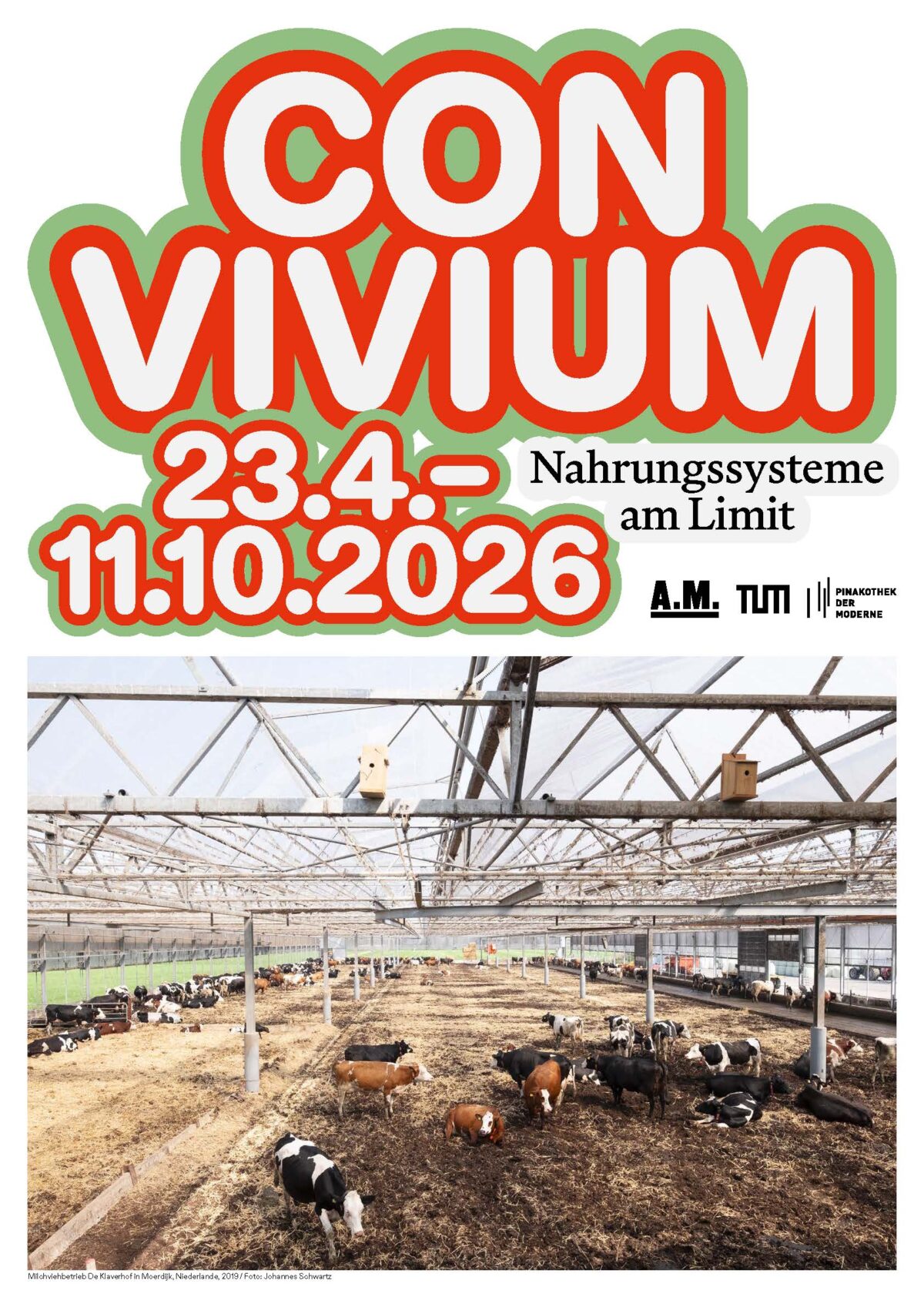
Convivium. Food Systems at the Limit
Download the exhibition booklet here:
Museum, altered | Photo: Ayzit Bostan

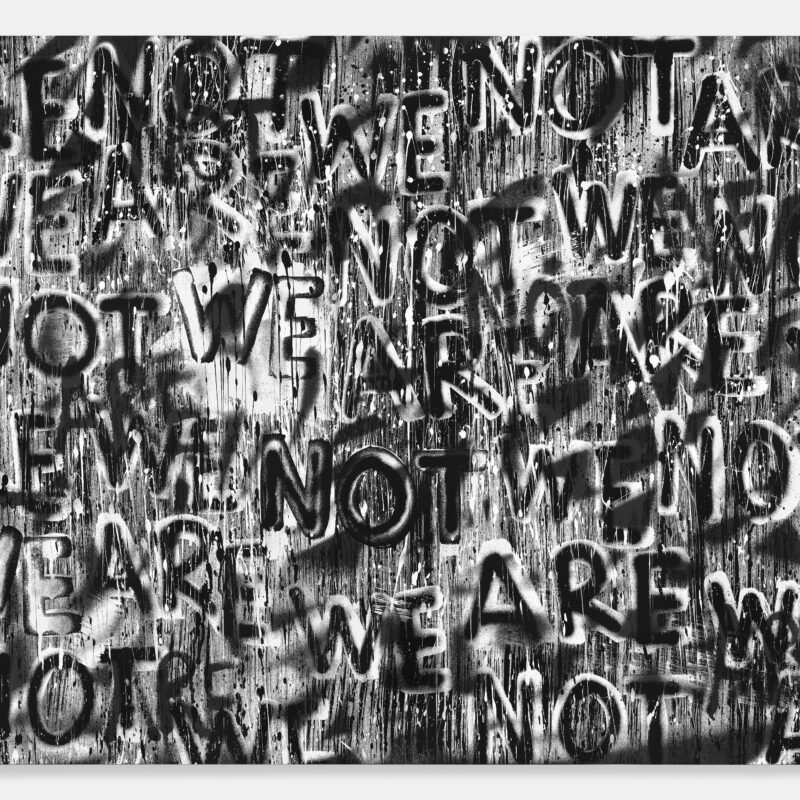
Ohne Titel (WE ARE NOT), 2021–2022
Siebdruck, Öl, Tinte auf Leinwand
304,8 x 594,4 cm
Written Art Collection
Foto: Andy Romer © Adam Pendleton
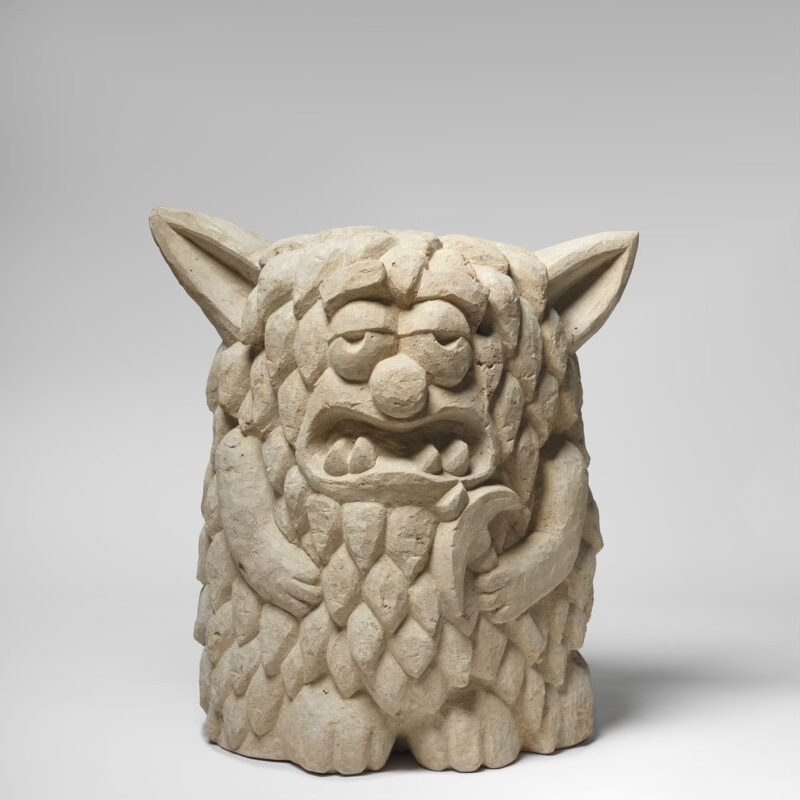
Ape with Mask, Naked Clown, The
Mongooses of Beauvais, Jardin des
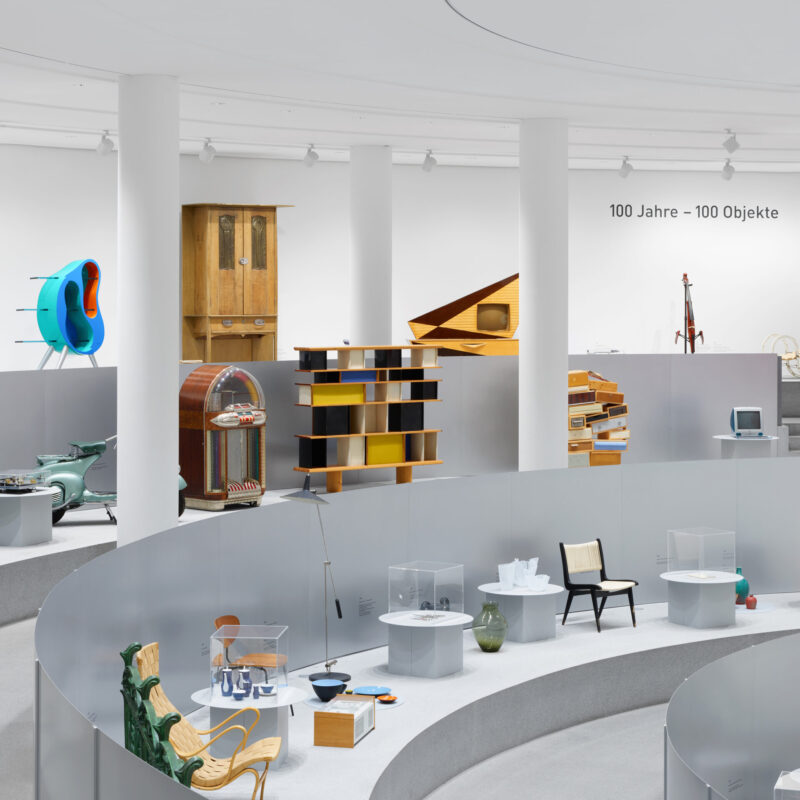
(?), Castallar, Frau; Foto: Die Neue Sammlung (A.
Laurenzo
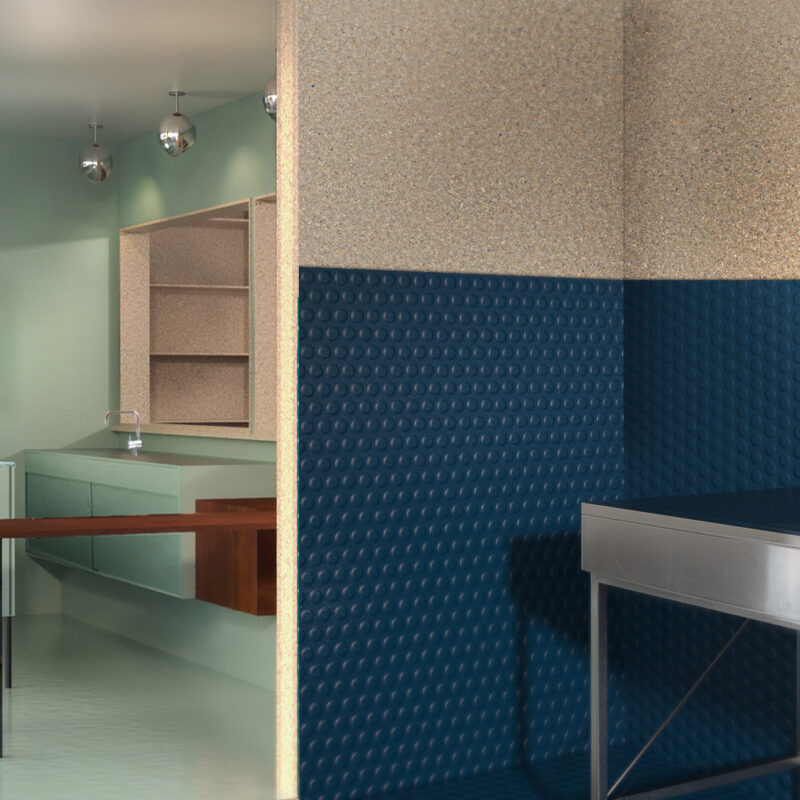
Ausstellungsansicht Kitchen Culture, Die Neue Sammlung – The Design Museum, 2024
OHA, München, DEU
Foto / Photo: Rendering OHA
Planning your visit
Open today till 8 PM
Daily 10.00 – 18.00
Thursday 10.00 – 20.00
Monday closed
Barer Straße 40
80333 München
Sunday admission 1€
Thursday – Saturday 10€
reduced 7€
Day pass (Alte Pinakothek, Pinakothek der Moderne, Museum Brandhorst, Sammlung Schack) 12€